
Modern life can quietly drain the body’s energy. Long hours, irregular routines, mental pressure, and environmental stress can leave a person feeling depleted, sluggish, or slightly disconnected from their natural rhythm. Over time, this can affect not only physical vitality but also mental clarity and emotional steadiness.
In traditional Japanese herbal practices, ashitaba has long been valued as a nourishing plant that supports renewal and resilience. Known as a “tomorrow leaf” due to its ability to regrow quickly after being cut, it carries a symbolic connection to regeneration and vitality.
This is an herb that respects the body’s innate capacity for renewal.
The Essence of Ashitaba
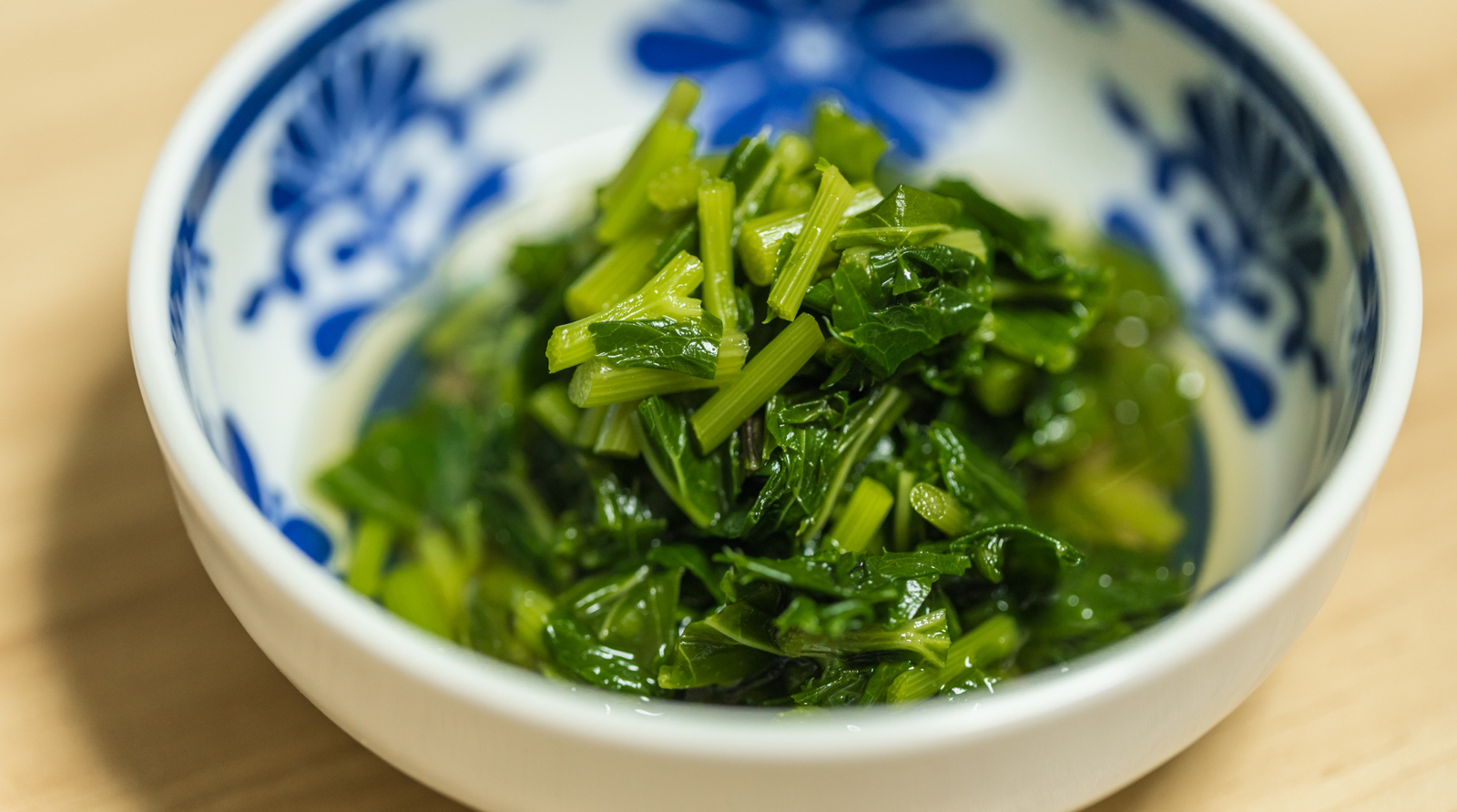
Ashitaba (Angelica keiskei) is a rare green herb traditionally consumed as both food and infusion. It has been appreciated in herbal systems for its gentle yet sustaining nature, particularly in supporting overall wellness, digestion, and energy balance.
Its properties are not associated with sudden stimulation or intensity. Instead, ashitaba is known for offering steady, supportive nourishment that works over time.
Ashitaba infusions are traditionally used to help the body maintain balance during periods of stress or fatigue. They are often described as grounding yet uplifting in a subtle, natural way.
This herb works best when approached with consistency and mindfulness, rather than as a quick or immediate solution.
Why Vitality Requires Gentle Restoration
True vitality is not about constant high energy. It is about the body’s ability to sustain energy, recover from strain, and return to balance when needed.
Modern lifestyles often push the body beyond its natural rhythms, making restorative support especially important.
Supporting Natural Energy Balance
Ashitaba is traditionally associated with helping the body maintain steady energy levels. Rather than creating spikes of alertness, it is valued for encouraging a more even, sustained sense of vitality.
This makes it especially useful during periods of fatigue or ongoing stress.
Supporting Digestive and Internal Harmony
Healthy digestion is closely linked to overall energy and wellbeing. Ashitaba has been used in traditional practices to support digestive balance, which in turn contributes to how energized and comfortable the body feels.
When internal systems function smoothly, energy is more easily maintained throughout the day.
Encouraging Adaptability
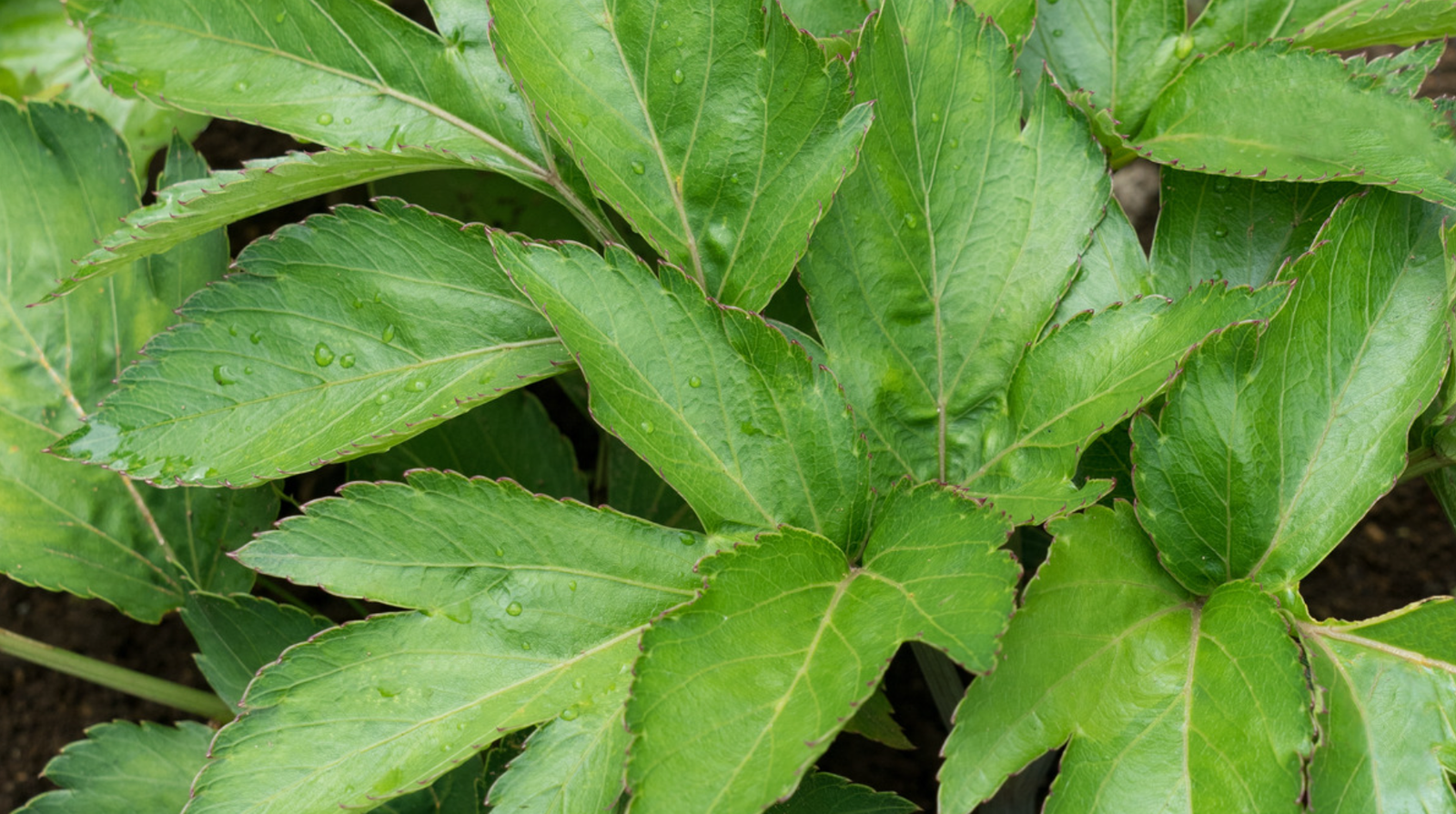
One of ashitaba’s most valued qualities is its traditional association with resilience. It is often described as an herb that supports the body’s ability to adapt to changing conditions, whether physical, environmental, or emotional.
This adaptability is a key aspect of long-term vitality.
Time-Honoured Wisdom Around Ashitaba
In Japanese herbal tradition, ashitaba has been regarded as a plant of longevity, regeneration, and steady strength. Its ability to grow back quickly after harvesting has long been seen as a symbol of renewal and endurance.
A Philosophy of Gradual Strength
Traditional use of ashitaba reflects a broader understanding that wellness is built slowly over time. Rather than relying on intense interventions, herbal practices often focused on daily nourishment and consistency.
Ashitaba was seen as a companion in this process—supporting the body gently and continuously.
Strength Without Overstimulation
Unlike stronger stimulants, ashitaba was valued for its balanced approach to supporting energy. It was not intended to push the body beyond its limits, but to help maintain harmony within its natural capacity.
This reflects a deeply rooted philosophy of sustainable health.
Working with Ashitaba Infusions
Ashitaba can be incorporated into daily routines in simple, mindful ways that support long-term vitality.
Prepare as a Light Herbal Tea
Ashitaba can be brewed as a gentle infusion, allowing its subtle qualities to be enjoyed slowly. Sipping it mindfully can become a grounding daily ritual that supports both nourishment and awareness.
Use Regularly for Steady Support
Consistency is key when working with ashitaba. Its benefits are traditionally associated with long-term use, where gentle support builds gradually over time.
Rather than expecting immediate results, it is best approached as part of an ongoing wellness routine.
Pair with Nourishing Lifestyle Habits
Ashitaba works best when supported by other grounding practices such as:
- Balanced, nutrient-rich meals
- Gentle movement like walking or stretching
- Adequate rest and recovery
- Mindful breathing or quiet reflection
These habits help reinforce its restorative effects.
Respect the Body’s Natural Pace
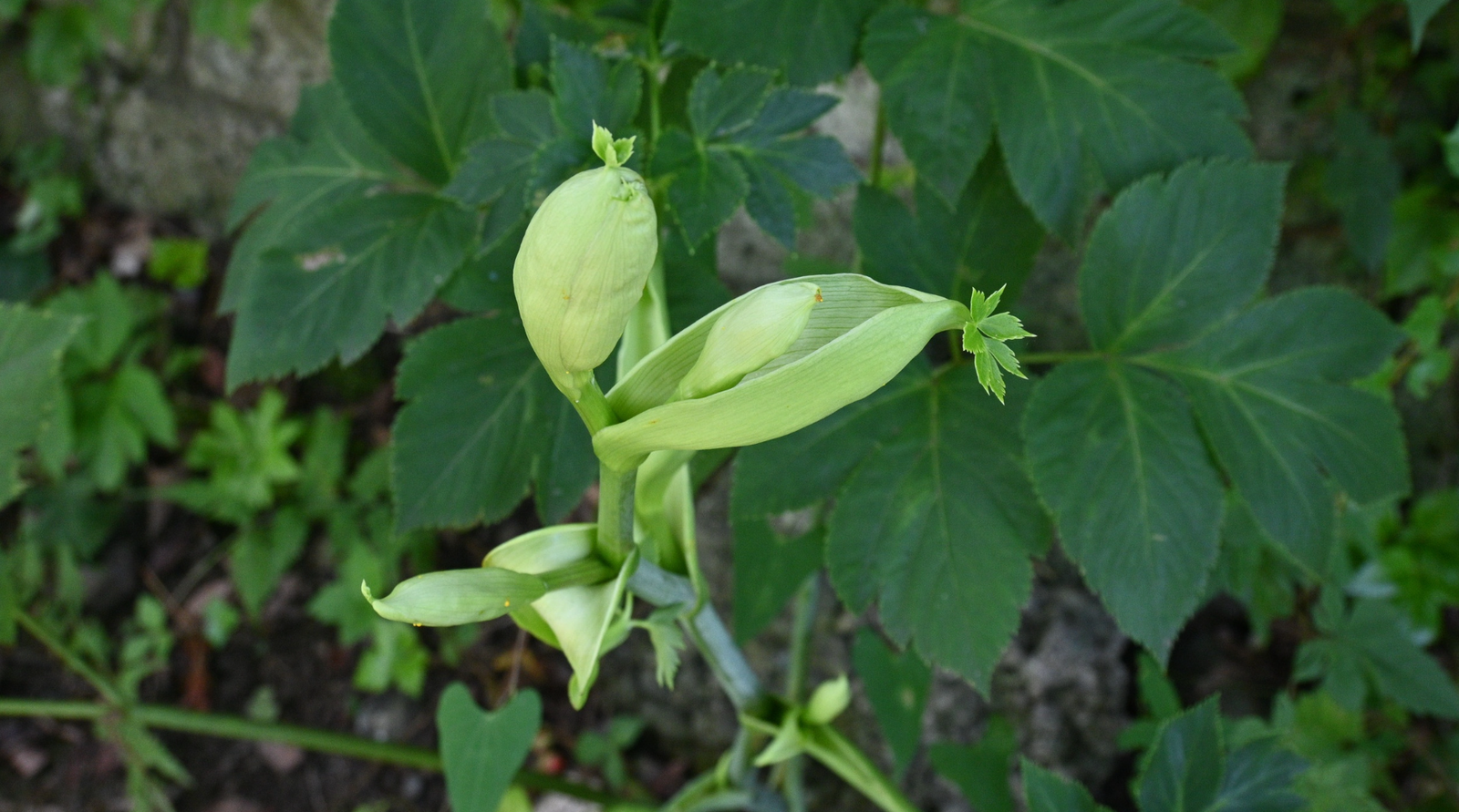
One of the most important principles in working with ashitaba is honoring the body’s rhythm. Vitality cannot be rushed—it develops when the body is given space to recover and stabilize.
Listening to these signals allows for more effective and sustainable support.
The Emotional Side of Renewal
Physical vitality is closely connected to emotional and mental states. When the body feels supported and balanced, the mind often becomes clearer and more steady as well.
Ashitaba’s gentle nature aligns with this connection, encouraging a sense of calm strength rather than urgency or overstimulation.
This creates space for a more grounded and present way of experiencing daily life.
Creating Sustainable Energy Over Time
True renewal is not about quick recovery, but about building a foundation that supports ongoing balance. Ashitaba fits into this philosophy by offering steady, long-term nourishment rather than short bursts of energy.
With consistent use, it supports a gradual return to equilibrium, helping the body feel more capable, resilient, and naturally energized.
This kind of vitality is subtle but deeply enduring.
Closing Reflection
Ashitaba reminds us that vitality grows when we nurture ourselves gently and consistently. It does not demand force or urgency, but instead supports the quiet rebuilding of strength from within.
Through steady care and mindful attention, the body naturally returns to balance, resilience, and renewed energy.
In this process, vitality becomes not something we chase—but something we cultivate over time.