Daily life can expose the body to irritation in many forms. Environmental stress, dryness, inflammation, overstimulation, and physical strain can gradually affect both internal balance and external comfort. During these moments, gentle herbal support can offer a calming presence that encourages the body to rest, recover, and restore itself naturally.
Among the herbs traditionally used for soothing care, plantain leaf has long been valued for its cooling, calming, and restorative qualities. Often overlooked as a common wild herb, plantain carries a quiet strength that supports the body gently without force or intensity.
This is an herb that protects while it heals.
The Essence of Plantain Leaf
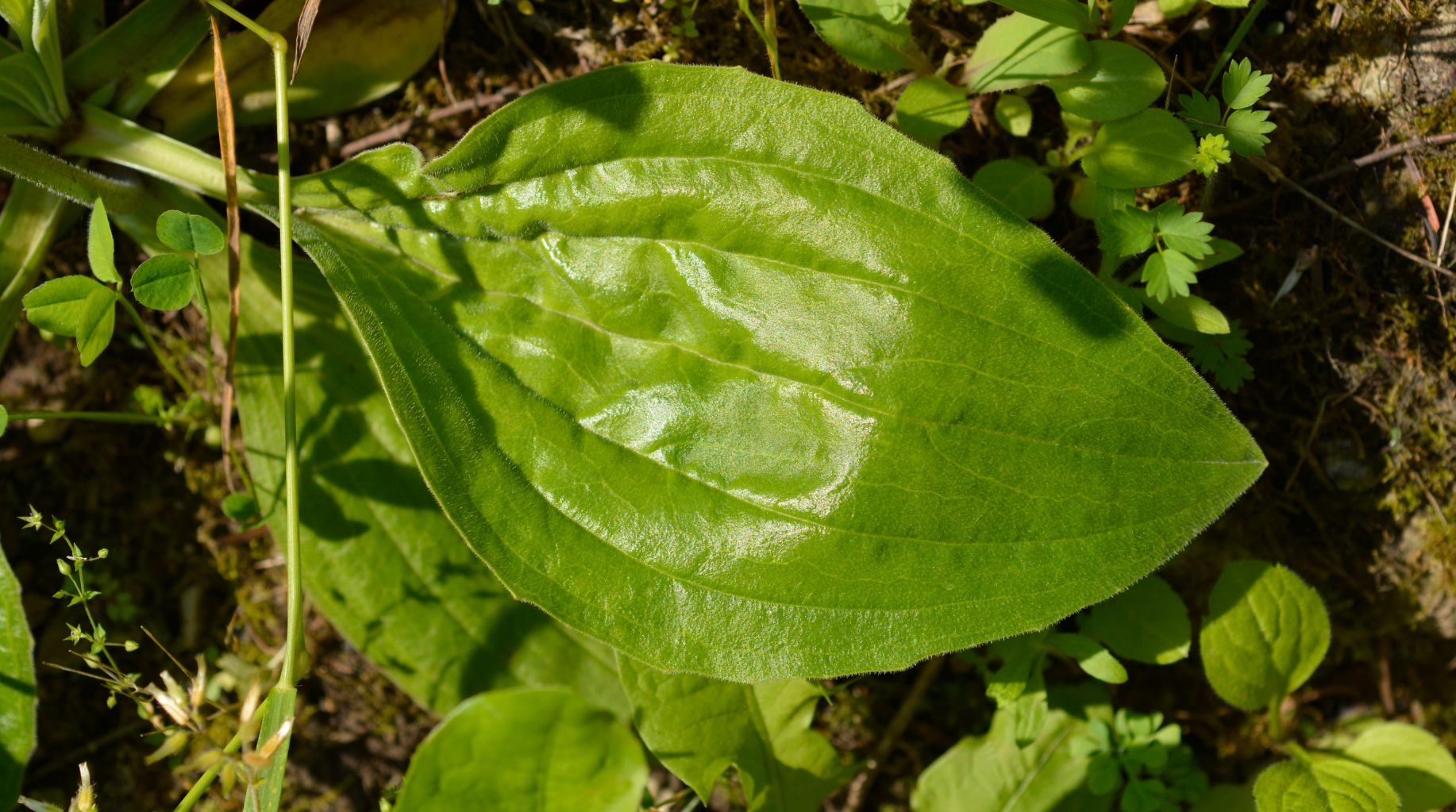
Plantain leaf (Plantago major or Plantago lanceolata) is known in traditional herbalism for its soothing and drawing properties. Rich in naturally occurring plant compounds, it has been widely used to calm irritation and support the body’s natural repair processes.
Its presence feels steady, grounding, and reassuring.
Rather than overwhelming the body with strong stimulation, plantain works through softness and consistency. It creates an environment where healing can unfold gradually and naturally.
This calming nature is one reason plantain has remained such a respected herb across generations of traditional wellness practices.
Why Plantain Leaf Is Traditionally Valued
Plantain has historically been used to support multiple areas of wellness, especially where irritation, sensitivity, or inflammation are present.
Supporting Skin Comfort
One of the herb’s most well-known traditional uses is soothing the skin. Plantain has often been applied to areas needing comfort and gentle support, particularly when the skin feels irritated, dry, or stressed.
Its cooling nature helps create a calming sensation while supporting the skin’s natural recovery process.
For generations, plantain poultices and compresses were commonly used as part of simple first-aid herbal care.
Internal Soothing Support
Plantain leaf has also traditionally been used internally as a tea or infusion. Herbalists often valued it for supporting gentle soothing within the digestive and respiratory systems.
Its mucilage content gives it a softening quality that may help provide comfort to irritated tissues while encouraging balance and hydration from within.
This gentle action reflects plantain’s broader role as an herb associated with restoration rather than urgency.
Time-Honoured Wisdom Around Plantain
For centuries, plantain has been regarded as one of the most accessible and dependable herbs in traditional herbal medicine. Because it grows abundantly in many regions, it became known as a trusted plant for everyday care and support.
It reflects the wisdom of quiet, consistent healing.
A Traditional First-Aid Herb
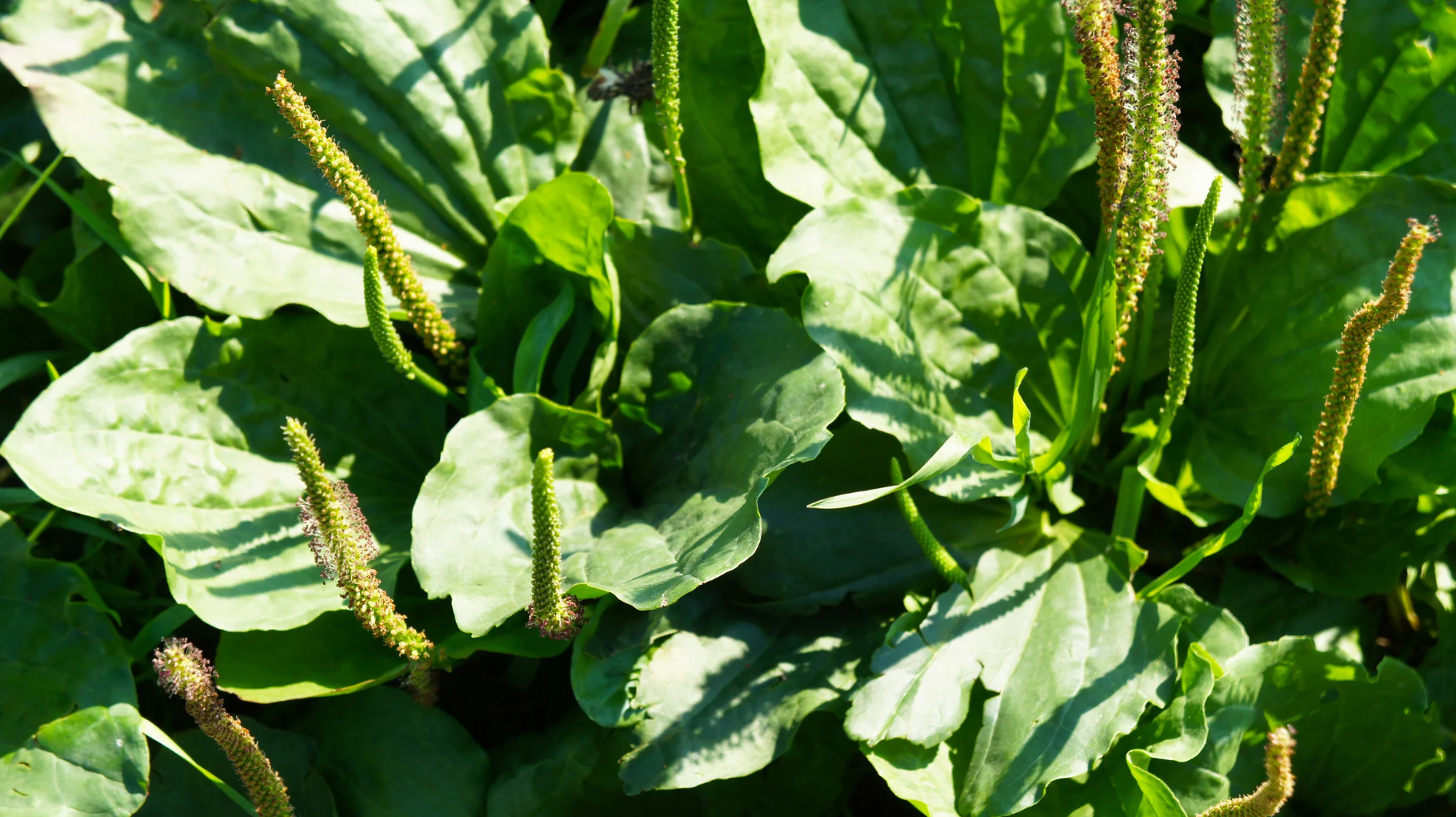
Historically, plantain was often applied directly to the skin as a poultice, infused into oils, or prepared as a soothing tea. Herbal traditions commonly turned to it during times of irritation, inflammation, or discomfort because of its gentle yet supportive qualities.
Rather than forcing rapid change, plantain encourages the body’s own natural restorative processes.
This slower and more patient approach continues to resonate in holistic wellness practices today.
Working with Plantain Leaf Infusions and Remedies
Plantain leaf can be incorporated into simple wellness rituals in several calming and supportive ways.
Steep as a Nourishing Herbal Tea
Plantain tea is commonly enjoyed as a mild herbal infusion that supports internal soothing and hydration. Drinking warm herbal infusions can also encourage moments of calm and mindfulness within daily routines.
Use as a Cooling Skin Infusion
A cooled plantain infusion may be used as a gentle skin rinse, compress, or soothing wash for areas needing extra comfort and care.
Its calming nature makes it especially valued in herbal skincare practices focused on sensitivity and restoration.
Apply as a Simple Poultice
Fresh or softened plantain leaves have traditionally been applied directly to the skin as a poultice. This practice has long been associated with supporting minor irritation and encouraging natural recovery.
Support Healing with Rest and Hydration
Plantain works beautifully alongside other restorative wellness practices such as adequate rest, hydration, nourishing meals, and reduced overstimulation.
True restoration often happens most effectively in a state of calm.
The Gentle Philosophy of Restoration
Plantain reminds us that healing does not always need intensity or force. Sometimes the body responds best to patience, consistency, and steady nourishment.
Its quiet presence reflects a slower approach to wellness—one rooted in listening, supporting, and allowing the body space to restore itself naturally.
This softness can feel especially meaningful in a fast-paced world where the body is often pushed to recover quickly without proper rest or care.
Creating Space for Calm Recovery
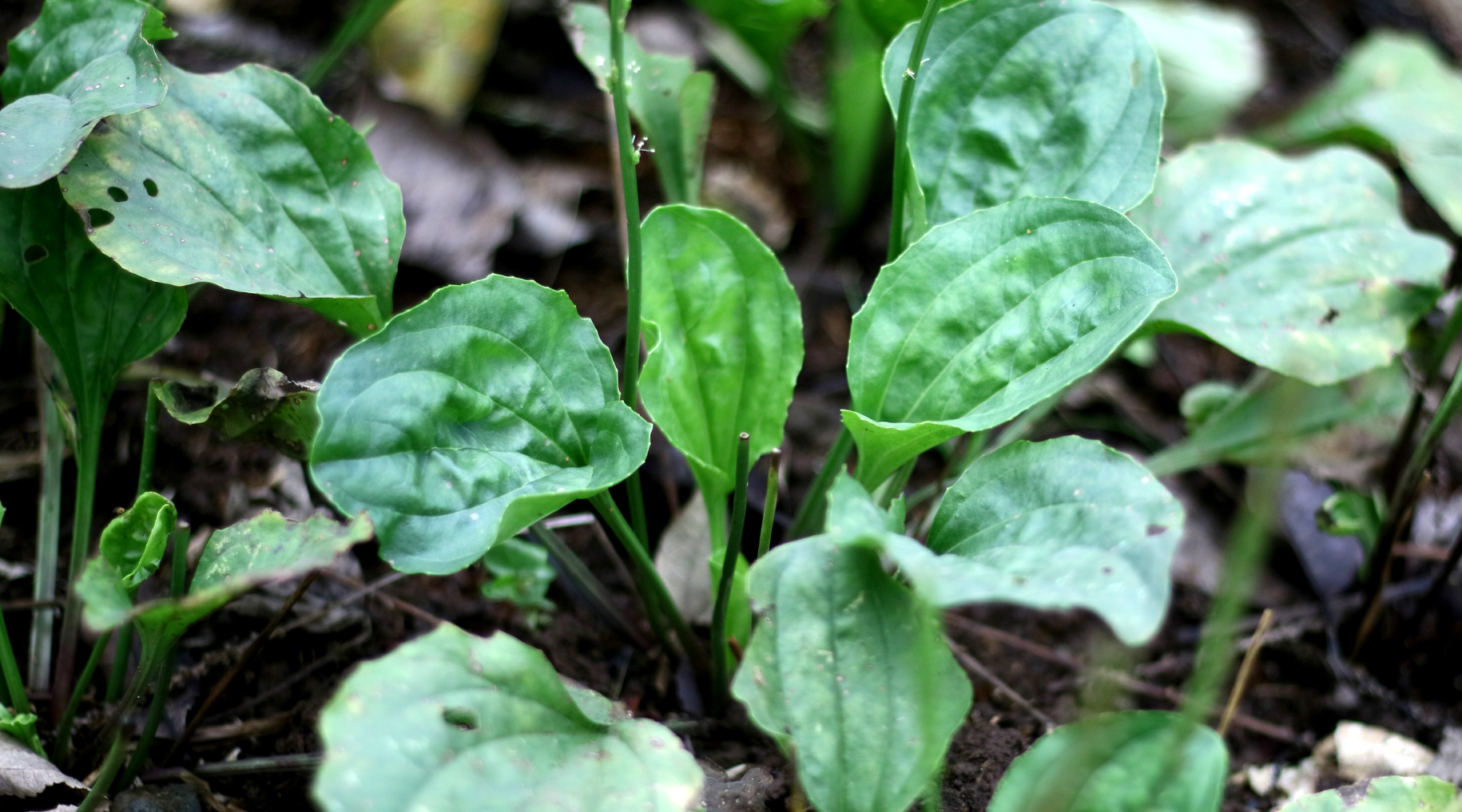
Restorative herbs like plantain encourage us to slow down enough to notice what the body is asking for. Small rituals—such as preparing a warm infusion, applying a soothing compress, or simply resting more intentionally—can help create conditions where healing feels supported rather than rushed.
These quiet moments of care often become just as important as the remedies themselves.
Over time, gentle consistency helps restore a sense of steadiness, comfort, and resilience from within.
Closing Reflection
Plantain leaf reminds us that healing can be gentle, grounded, and deeply supportive. Through calm nourishment and patient care, the body often finds its way back toward balance naturally.
Its soothing presence encourages softness where there has been irritation and steadiness where there has been strain.
When we give the body time, rest, and compassionate support, restoration begins to unfold quietly—revealing the strength that exists within calm, consistent care.