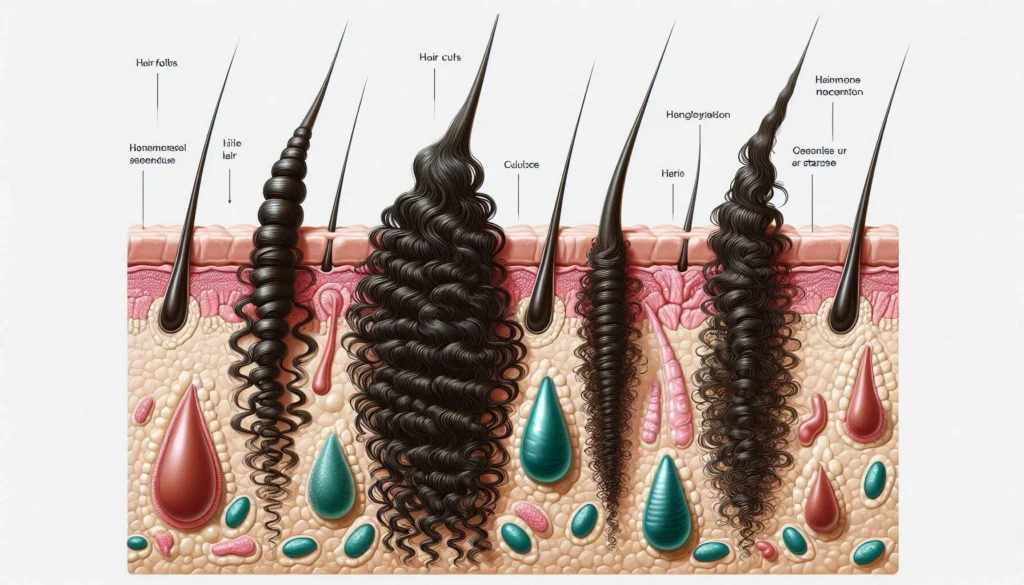
Hair wellness often begins with the basics: adequate nutrition, gentle styling, scalp care, and understanding your individual hair type.
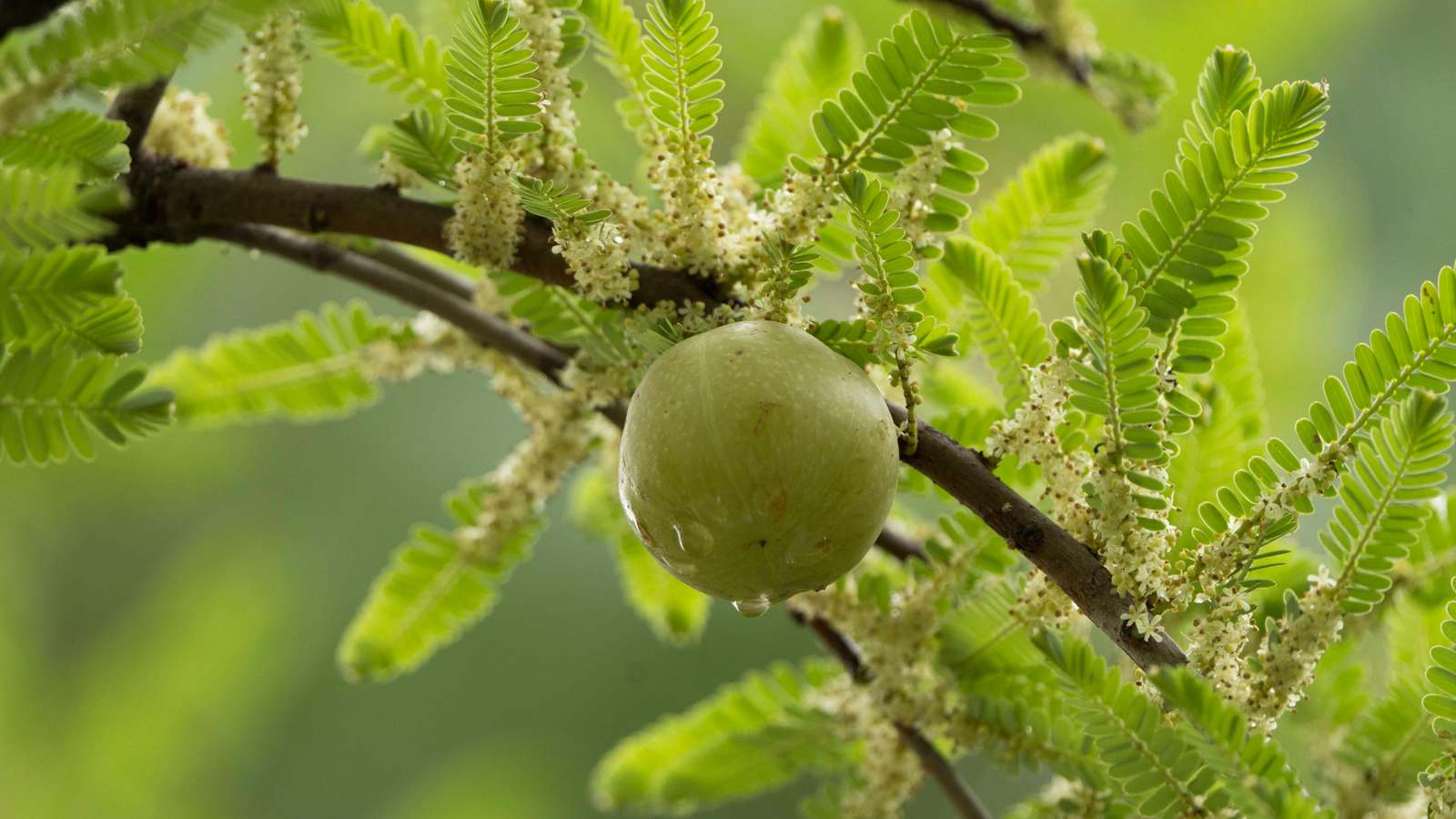
Alongside those foundations, botanical ingredients have been used in traditional beauty practices for centuries. One particularly interesting ingredient is amla, also known as Indian gooseberry.
Amla has a long history in Ayurvedic traditions and is commonly used in traditional hair-care preparations.
Why Amla Is Popular in Traditional Hair Care
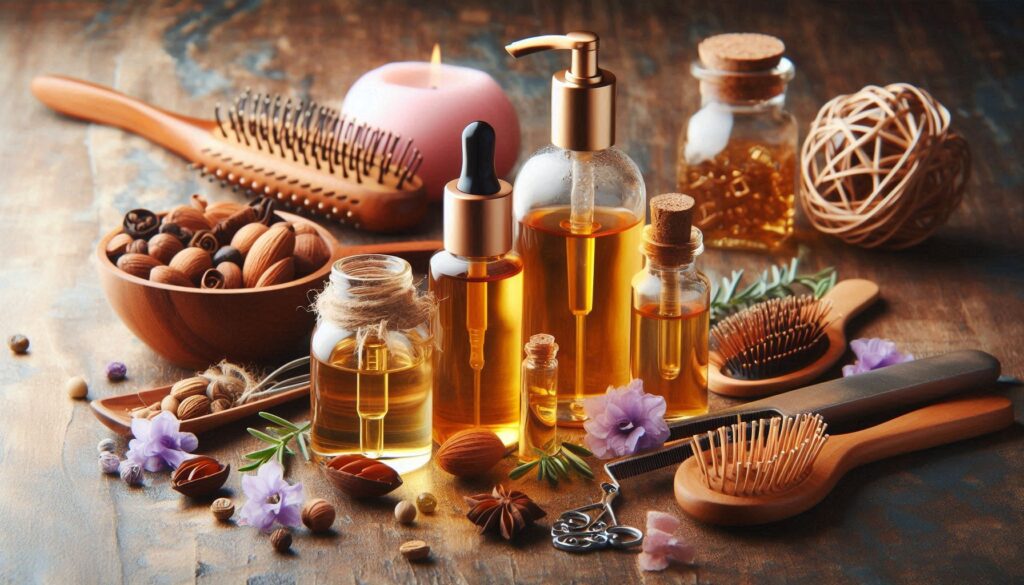
Amla fruit naturally contains vitamin C and various plant compounds. Traditionally, amla has been incorporated into hair oils, masks, powders, and other preparations.
It is often associated with maintaining the appearance of strong, shiny, healthy-looking hair.
However, traditional use doesn’t mean that amla is a medically proven treatment for hair loss or other scalp conditions. Hair problems can have many causes, and persistent or sudden changes should be evaluated by a healthcare professional.
Creating an Amla Hair Ritual
Amla can be found in powders, shampoos, conditioners, and other hair products.
If you’re trying a new botanical product, start cautiously. Natural ingredients can still cause irritation or allergic reactions, so patch testing is a sensible step before applying a new preparation extensively.
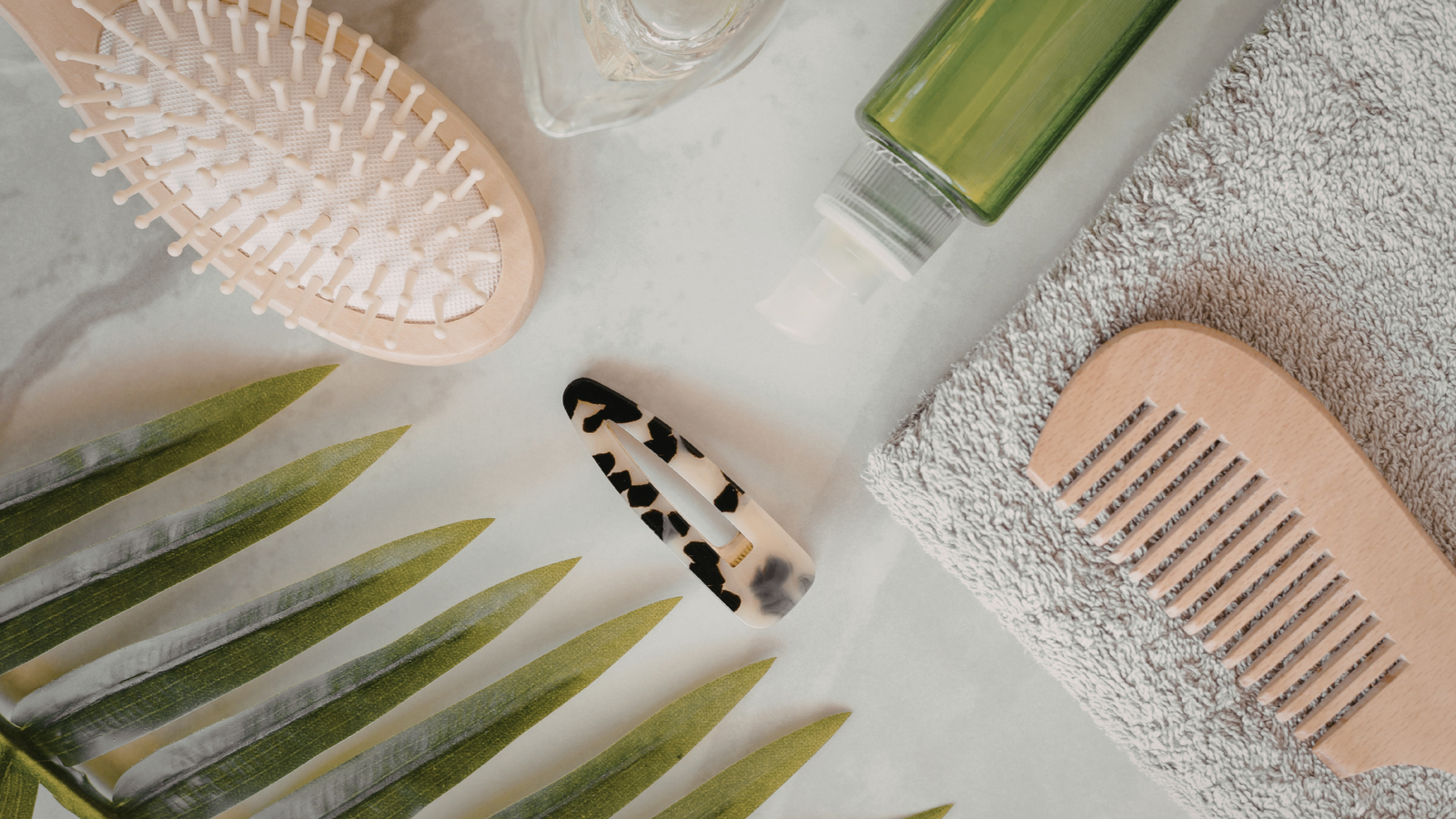
A simple hair-care ritual might include gently cleansing the scalp, conditioning the lengths of the hair, avoiding unnecessary heat, and being careful when detangling.
Don’t Forget Nutrition
Beautiful hair isn’t created solely by what you put on it.
Hair follicles require adequate nutrients to support normal growth. A varied diet containing protein, fruits, vegetables, whole grains, and healthy fats can provide important nutritional building blocks.
Severe dieting, nutritional deficiencies, and certain health conditions can contribute to hair changes.
Amla as Part of the Bigger Picture
Amla is an interesting botanical ingredient with a long tradition of use in hair care. It can be an enjoyable addition to a thoughtful beauty routine, especially for those interested in traditional plant-based practices.
But healthy hair is ultimately about consistency.
Gentle treatment, adequate nutrition, scalp care, and professional guidance when something seems unusual will always be more valuable than searching for one miracle ingredient.