Herbal infusions have a way of turning an ordinary moment into something a little more intentional. A warm cup can provide an opportunity to pause, hydrate, and enjoy the natural flavours and aromas of plants.
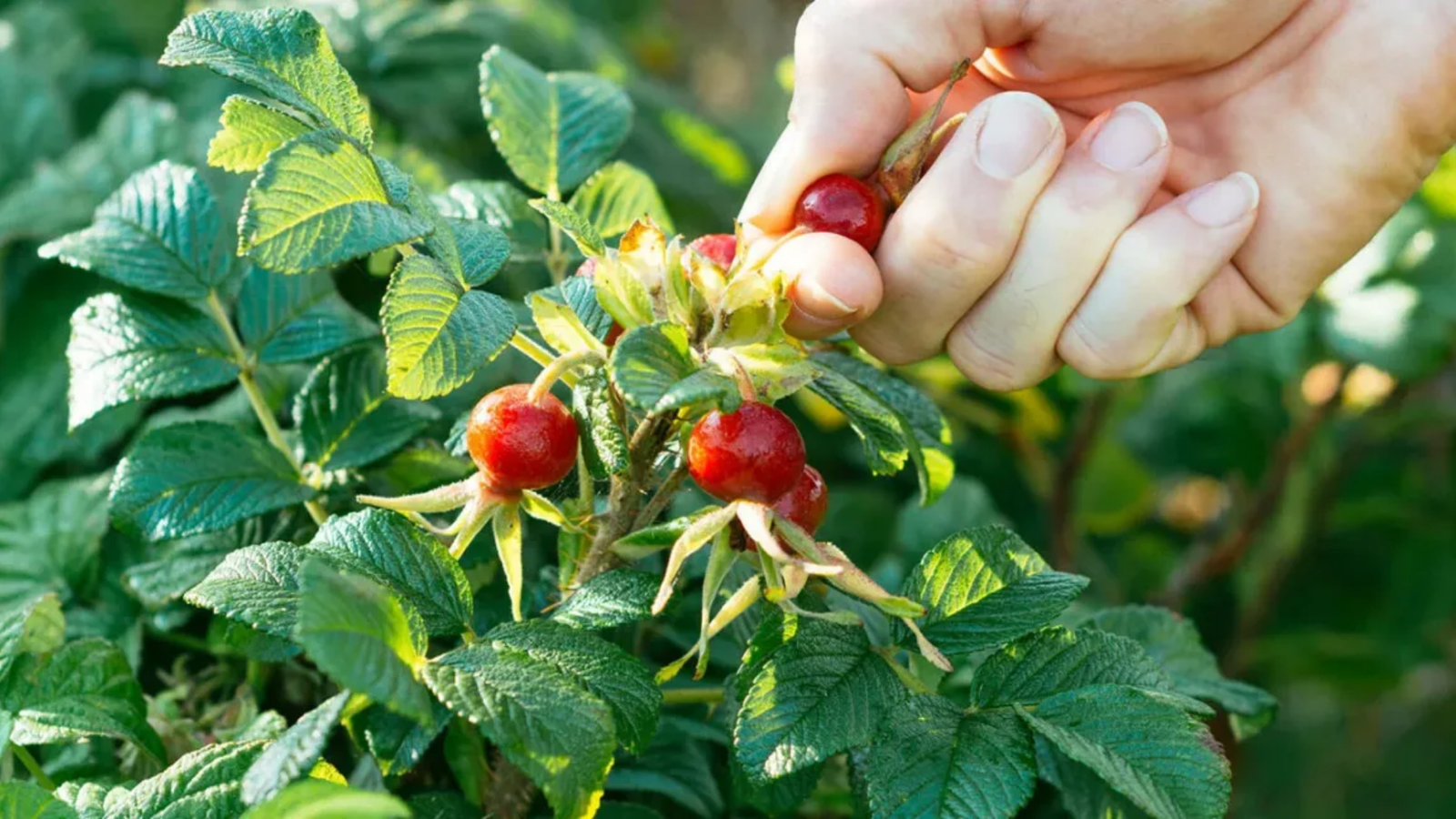
One interesting herb to explore is rose hip, the small fruit that develops on certain rose plants after flowering. Rose hips have been used traditionally in teas, foods, syrups, and other botanical preparations.
With their naturally fruity and slightly tart flavour, rose hips make a refreshing addition to an herbal infusion routine.
What Are Rose Hips?

Rose hips are the fruit of rose plants. They are typically harvested once they have matured and developed their characteristic red or orange colour.
They naturally contain vitamin C, carotenoids, polyphenols, and other plant compounds. Their nutrient composition can vary depending on the species, growing conditions, processing, and preparation method.
Rose hip tea is naturally caffeine-free, making it an appealing beverage for people who want something different from traditional caffeinated teas.
Preparing a Rose Hip Infusion
To make a simple infusion, place dried rose hips in a teapot or cup and cover them with hot water. Allow them to steep for several minutes before straining.
Rose hips have a naturally tangy flavour, so they can be enjoyed on their own or combined with other compatible caffeine-free botanicals.
If you’re using whole dried rose hips, strain the infusion carefully. The fruit contains tiny hairs inside that can be irritating if consumed.
Make It a Moment of Self-Care
The best part of an herbal infusion doesn’t necessarily happen in the cup.
It’s the moment you create around it.
Put your phone aside. Sit somewhere comfortable. Take a few slow breaths. Read a few pages of a book or simply enjoy a quiet five minutes.
Small rituals like these can make everyday wellness feel less like a task and more like something you genuinely enjoy.
A Thoughtful Approach to Herbal Wellness
Rose hips can be a flavorful addition to a balanced lifestyle, but an herbal tea isn’t a substitute for medical treatment or a nutritious diet.
If you are pregnant, breastfeeding, taking medications, or managing a health condition, check with a healthcare professional before regularly using concentrated herbal preparations.
Sometimes wellness can be wonderfully simple: a warm cup, a quiet moment, and a little time to slow down.