
For centuries, valerian root (Valeriana officinalis) has been a trusted ally for those seeking natural calm and restorative sleep. With its earthy aroma and grounding properties, this humble root has been celebrated in European, Asian, and Ayurvedic traditions for its ability to ease tension, settle the nervous system, and promote deep relaxation.
Traditional Uses & Folklore
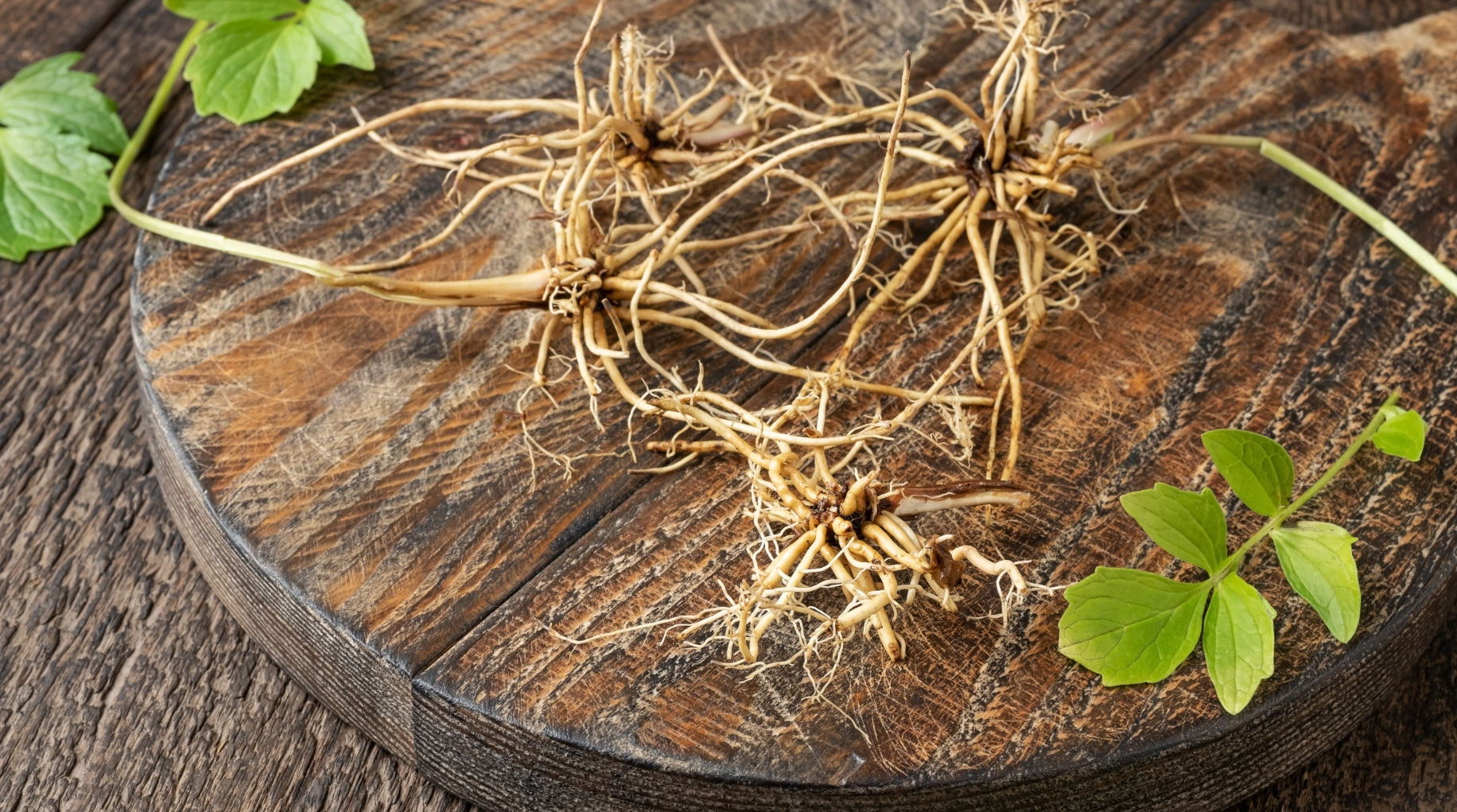
Valerian’s history is rich with cultural reverence. In ancient Greece, Hippocrates described its benefits for insomnia, while later herbalists across Europe prescribed it to soothe nervous restlessness. Folklore even held that valerian could protect homes from evil spirits and promote peace within households. Its role as a “sleep herb” has remained remarkably consistent through time, earning it a permanent place in natural medicine.
Valerian Infusion Recipe
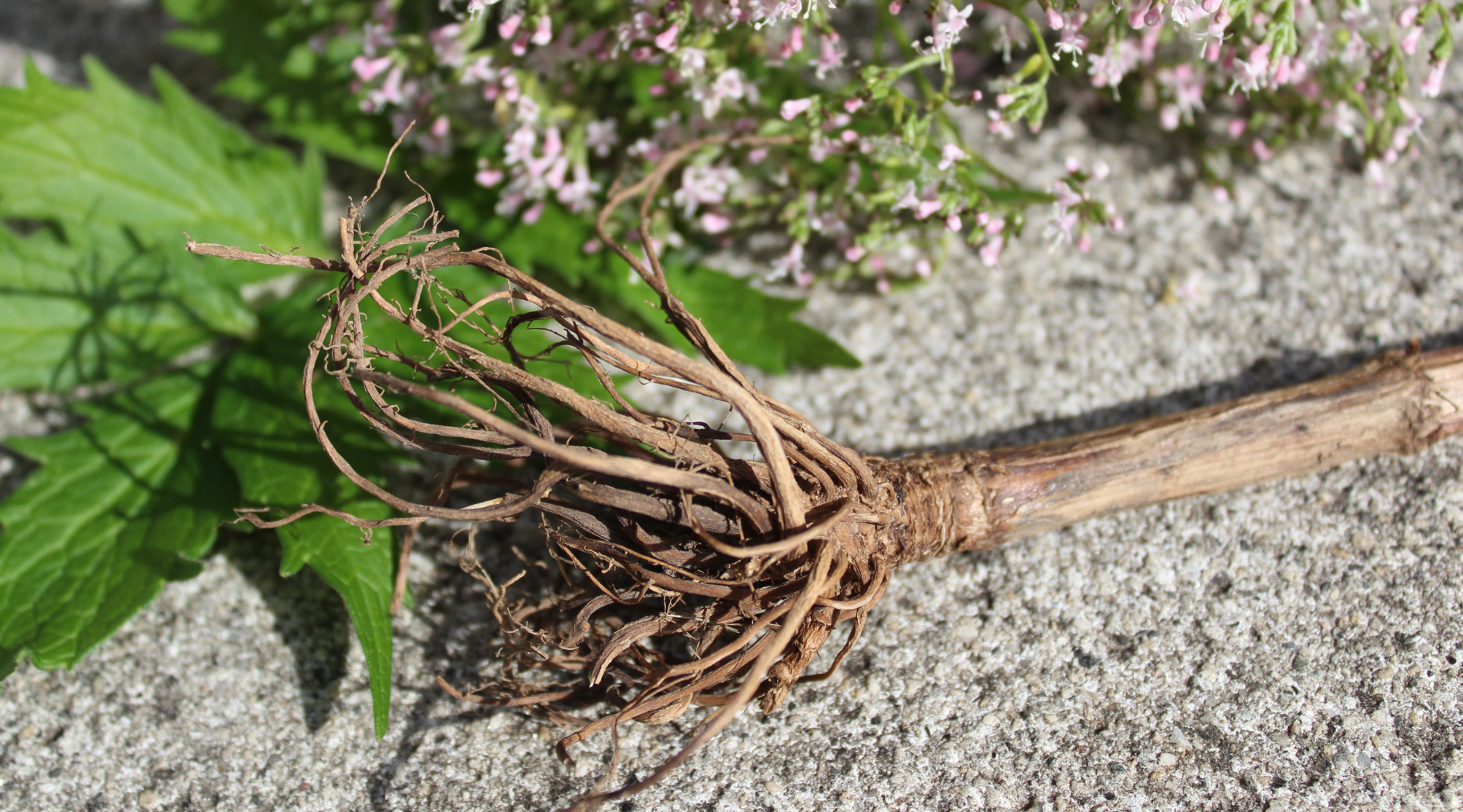
A simple tea is one of the gentlest ways to enjoy valerian root’s relaxing effects.
You’ll need:
- 1 teaspoon dried valerian root
- 1 cup hot water
- Optional: chamomile or lemon balm for added calm
How to make:
- Place valerian root in a cup or teapot.
- Pour hot water over it (just below boiling).
- Cover and steep for 10–15 minutes.
- Strain and sip slowly about 30–60 minutes before bedtime.
This earthy, slightly bitter tea pairs beautifully with honey or blended herbs for a smoother flavor.
For Sleep & Relaxation
Valerian is best known for supporting deep, restful sleep. Its natural compounds help calm overactive nerves, making it especially helpful for occasional insomnia or restlessness at night.
For Stress & Nervous Tension
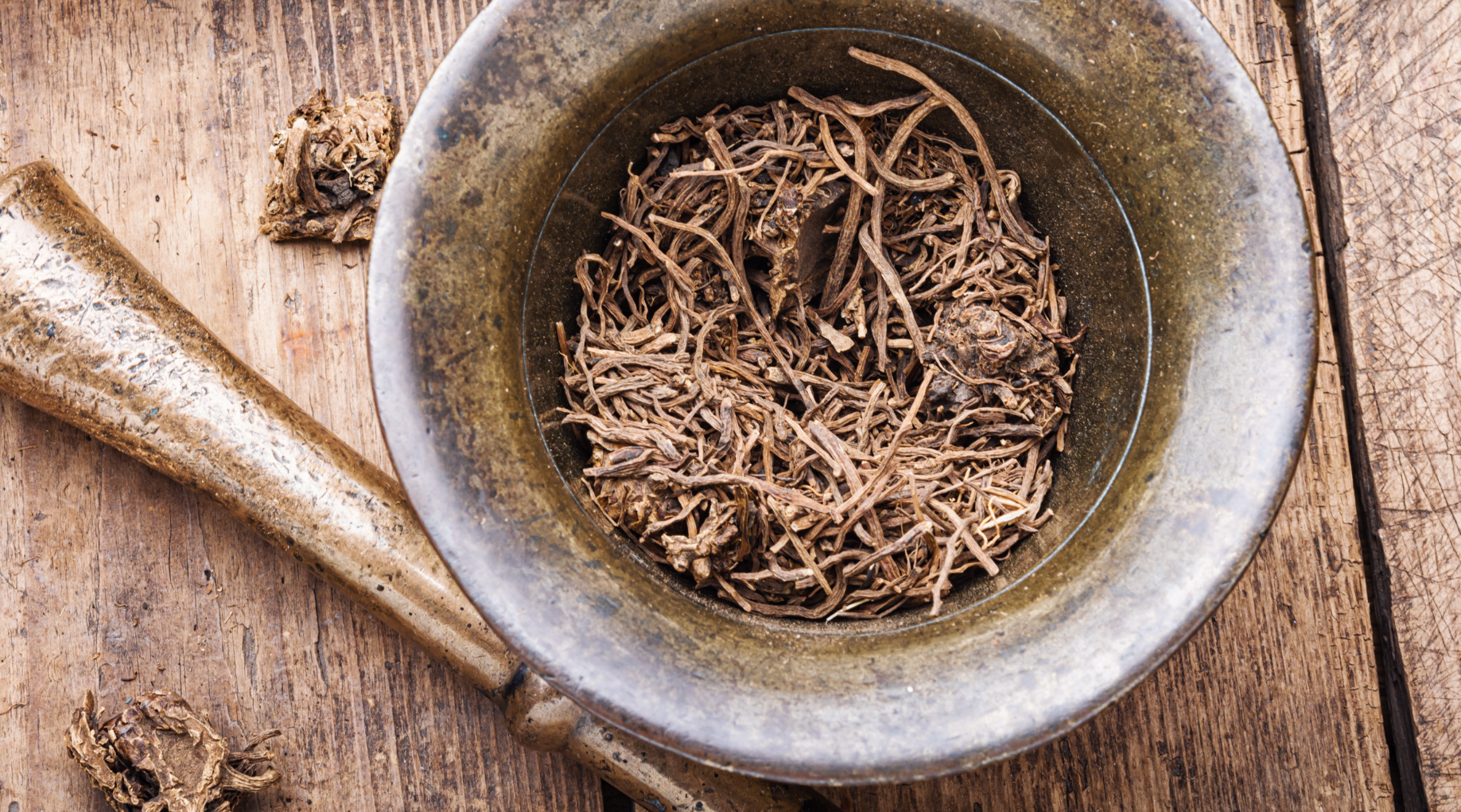
Beyond sleep, valerian works as a gentle nervine, easing feelings of worry and stress. Many people find it useful during times of heightened tension or when winding down after a long day.
For Muscle Relaxation
Traditionally, valerian has also been used to ease mild muscle spasms or cramps, thanks to its natural calming effect on the body.
A Gentle Reminder
Valerian root is generally safe for short-term use, but it may cause drowsiness. Avoid combining it with alcohol, sedatives, or heavy machinery use. Some people may find the scent strong, but blending it with other calming herbs like chamomile or passionflower can create a more balanced flavor and aroma.
Final Sip
Valerian root is nature’s quiet invitation to rest, reset, and restore. Whether enjoyed as a bedtime tea, blended with other calming herbs, or taken as part of a nightly ritual, valerian remains a timeless herbal key to unlocking peace and sleep.