The rhythm of daily life often calls for gentle nourishment and balance. In moments of stress or transition, the body may seek natural ways to restore calm, vitality, and connection. Herbal infusions offer a timeless practice that supports wellness while honoring the body’s natural rhythms.
The Essence of Herbal Infusions
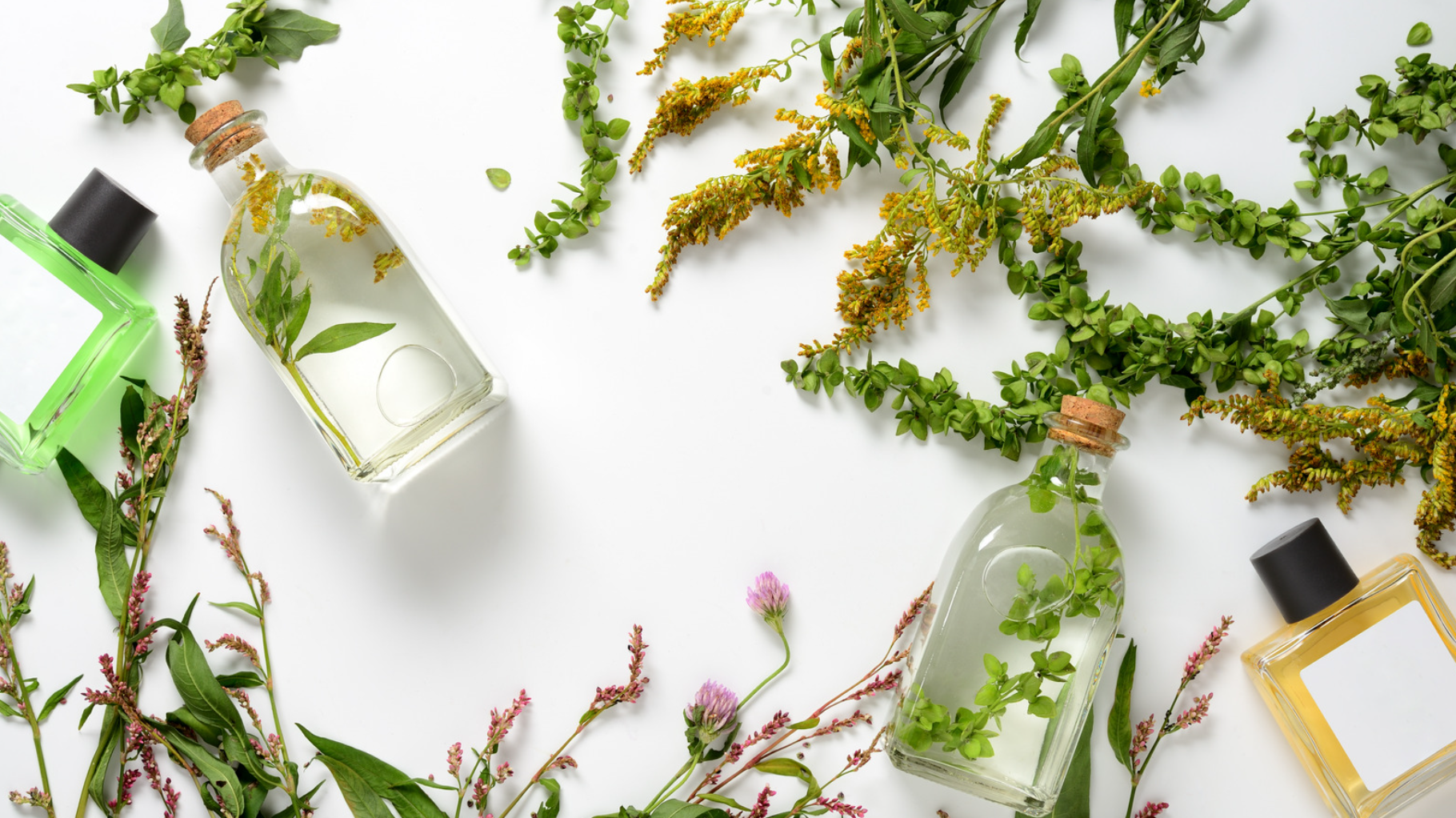
For centuries, herbs have been cherished for their ability to nourish, soothe, and heal. Unlike synthetic medications, herbal preparations work gently with the body, offering support for both wellness and relaxation. Infusions are one of the simplest ways to unlock these benefits, transforming leaves, flowers, and roots into deeply restorative remedies.
What Is an Herbal Infusion?
An herbal infusion is similar to tea but steeped for longer—usually 20 minutes to several hours—to extract more vitamins, minerals, and medicinal properties. While teas are often light and mild, infusions are more potent, grounding, and nourishing.
Basic Infusion Method
- Place 1–2 tablespoons of dried herb (or a small handful of fresh herb) in a heatproof jar or teapot.
- Pour 8–10 ounces of boiling water over the herbs.
- Cover and let steep for 20 minutes to overnight (longer steeping = stronger infusion).
- Strain and enjoy warm or chilled.
Traditional Herbal Remedies
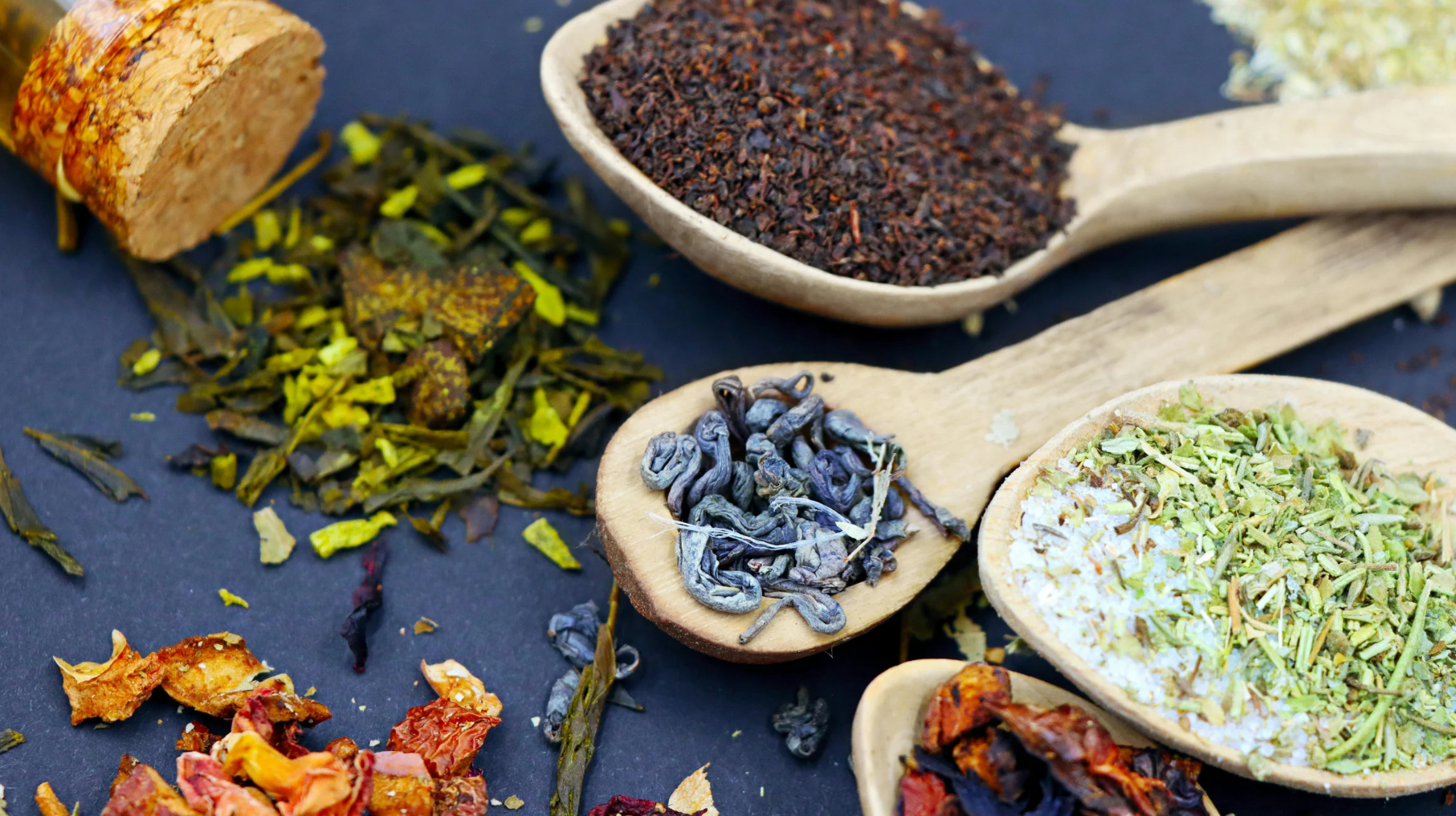
- Chamomile for Calm & Sleep
Infusion: Steep dried chamomile flowers for 20–30 minutes.
Use: Drink before bed to ease anxiety and support restful sleep. - Lemon Balm for Stress Relief
Infusion: Fresh lemon balm leaves steeped for 15–20 minutes.
Use: A gentle mood booster that may help reduce nervous tension. - Ginger & Honey for Digestive Support
Infusion: Fresh ginger slices steeped in hot water for 15 minutes.
Use: Soothes nausea, bloating, and sluggish digestion. - Nettle for Nutrient Boost
Infusion: Long steep (4–8 hours) for maximum mineral extraction.
Use: A powerhouse tonic rich in iron, calcium, and magnesium. - Peppermint for Headaches & Congestion
Infusion: Steep fresh or dried peppermint leaves for 10–15 minutes.
Use: Helps open sinuses and ease tension headaches naturally.
Tips for Safe Herbal Remedies
- Start slow: Try one herb at a time to see how your body responds.
- Know your source: Use high-quality, pesticide-free herbs.
- Avoid aluminum pots: Glass, ceramic, or stainless steel is best.
- Check interactions: Some herbs can interact with medications or aren’t suitable during pregnancy.
Why Choose Herbal Infusions?
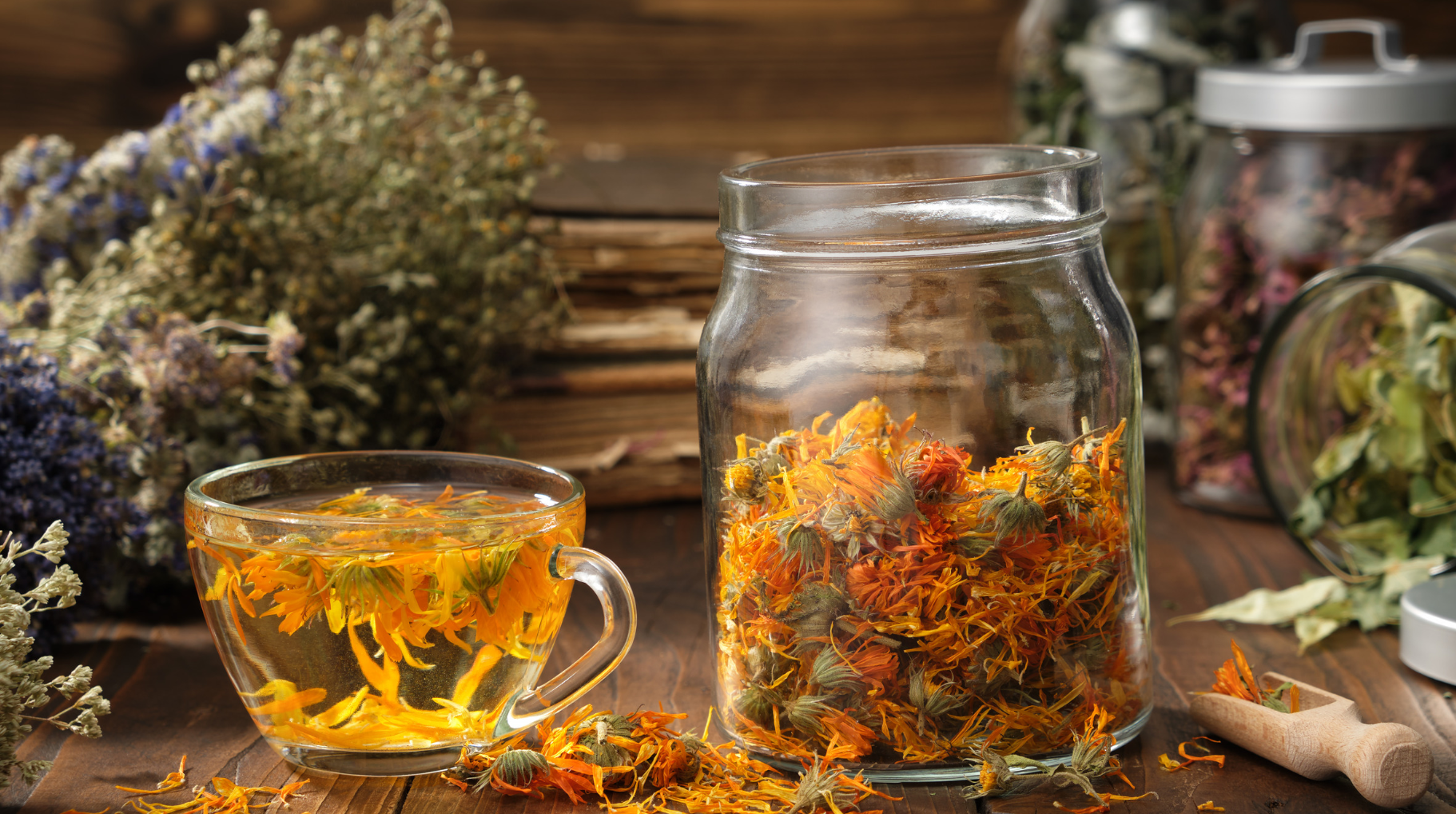
Gentle yet effective, herbal infusions are rich in vitamins and minerals often missing from modern diets. They’re easy to make with minimal tools and connect you to nature’s rhythm and traditional wisdom.
Final Thoughts
Herbal infusions are a simple, time-honored way to support health naturally. With just a handful of herbs, hot water, and patience, you can create remedies that soothe, nourish, and restore balance. Whether sipping chamomile before bed or brewing nettle for vitality, these quiet rituals bring renewal to your wellness journey.