
As summer begins to fade and the seasons shift, September can feel like a natural invitation to return to more structured routines. It is a time when many people begin thinking about nourishment, balance, and caring for the body after months of activity.
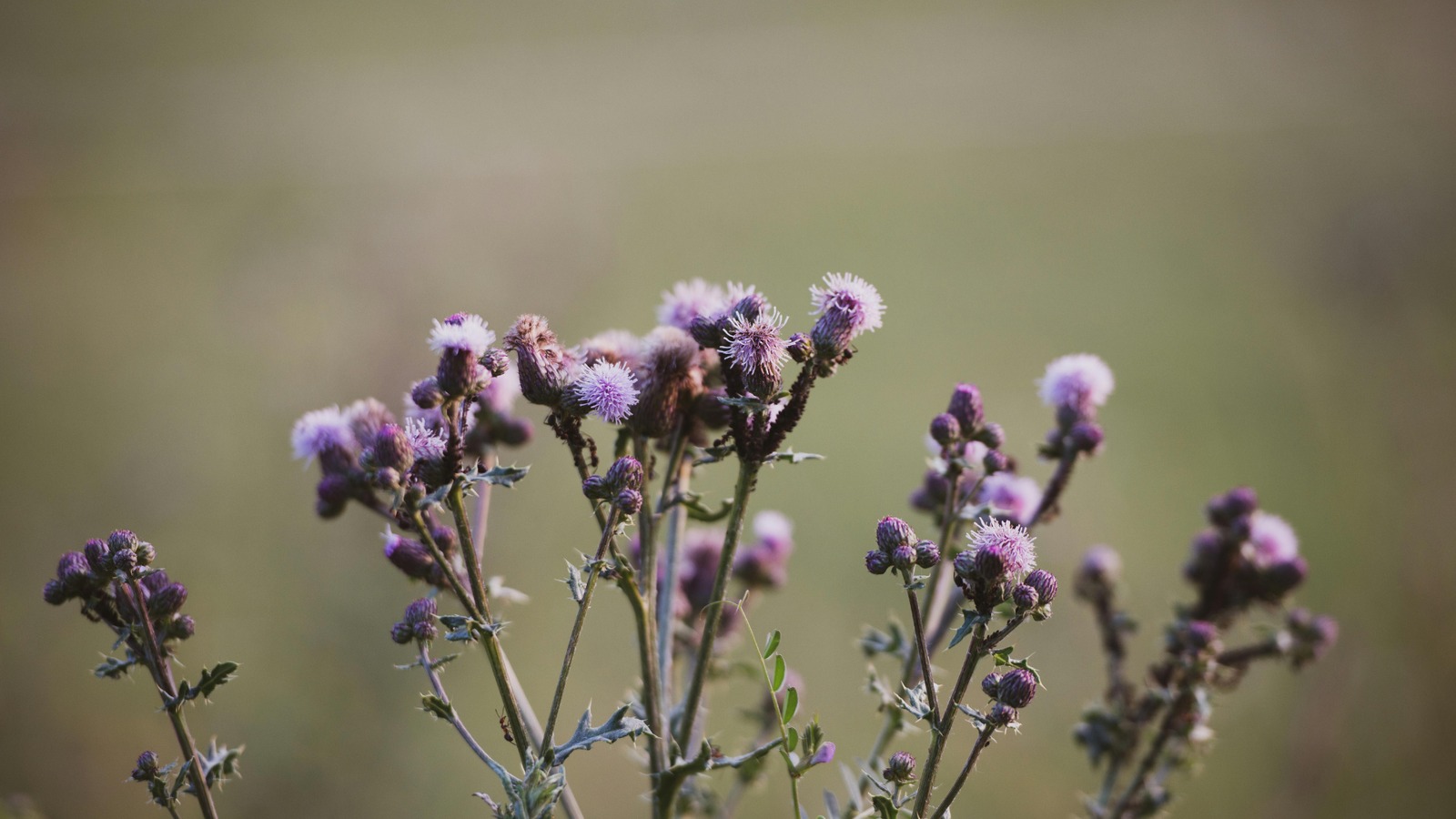
Milk thistle is a distinctive herb with a long history in traditional European herbalism. Recognized by its purple flowers and striking leaves, it has become particularly associated with traditional approaches to liver and digestive wellness.
This is the enduring tradition of milk thistle.
The Essence of Milk Thistle
Milk thistle, scientifically known as Silybum marianum, is a flowering plant in the daisy family. It is easily recognized by its spiny leaves, purple flower heads, and characteristic white veining.
The plant’s seeds contain a group of compounds collectively known as silymarin, which has been the focus of considerable scientific interest.
Milk thistle has been used traditionally for generations, particularly in connection with liver and digestive health.
Why Milk Thistle Matters for Wellness
The liver plays an essential role in the body’s normal metabolic processes. Supporting overall health through balanced nutrition, moderate alcohol consumption, regular physical activity, and appropriate medical care is more important than relying on any single herb.
Milk thistle can be explored as part of the broader tradition of botanical wellness.
It should not be viewed as a way to “detox” the body or reverse the effects of unhealthy habits.
Traditional Wisdom Around Milk Thistle
Milk thistle has a long history in European herbal medicine. Traditional practitioners have used preparations of the plant for digestive and liver-related purposes.
Modern interest has focused particularly on silymarin, although research has produced mixed findings depending on the health condition and preparation being studied.
Traditional use and modern research can both provide useful perspectives, but neither should replace professional medical advice.
Understanding Silymarin
Silymarin is a mixture of flavonolignans found primarily in milk thistle seeds.
Research has explored its antioxidant and other biological properties, particularly in relation to liver health. However, evidence for using milk thistle to treat specific medical conditions remains limited or inconsistent.
This distinction is important.
An herb can have an interesting traditional history without being a proven treatment for a particular disease.
Supporting the Liver Naturally
The best way to care for liver health is through everyday habits.
A balanced diet, regular physical activity, maintaining a healthy weight, avoiding excessive alcohol, and following appropriate medical guidance all play important roles.
Milk thistle can be part of an interest in herbal wellness, but it should complement—not replace—these foundational practices.
A Seasonal Wellness Ritual

September is an ideal time to reassess daily habits.
Instead of focusing on extreme cleansing programs, consider returning to simple foundations. Choose nourishing foods, reduce unnecessary excess, prioritize regular movement, and establish routines that support long-term well-being.
Herbal traditions can become part of this process when approached thoughtfully.
Explore Milk Thistle Responsibly
Milk thistle is available in teas, capsules, extracts, and other preparations. These forms are not necessarily equivalent, and the concentration of active compounds can vary.
Anyone taking prescription medication should speak with a healthcare professional before using concentrated milk thistle products because herbs can interact with medicines.
People with liver disease should also seek medical guidance rather than attempting to manage the condition independently with supplements.
The Traditional Qualities of Milk Thistle
Milk thistle is traditionally valued for:
Its long history in European herbalism
Its distinctive silymarin compounds
Its traditional connection with liver wellness
Its association with digestive support
Its antioxidant properties studied in laboratory research
Its striking and recognizable appearance
Its story demonstrates how traditional plant knowledge continues to inspire modern research.
Build Wellness From the Foundations
No herb can replace the fundamentals of good health.
Think of wellness as a foundation built from many pieces: nutritious food, quality sleep, regular movement, healthy relationships, stress management, and appropriate medical care.
Herbs can add another layer to this foundation, but they work best when viewed as supportive rather than magical.
Closing Reflection
Milk thistle represents the enduring relationship between traditional herbal knowledge and modern curiosity. Its distinctive appearance and long history make it a fascinating herb to explore as September brings a renewed focus on health and balance.
Rather than searching for quick fixes, let this month’s herb inspire a return to simple foundations.
Wellness is not about cleansing everything away. It is about creating supportive habits that allow the body to do what it naturally does best—maintain balance, adapt, and thrive.

