
Healthy circulation is one of the body’s quiet foundations for wellbeing. It ensures that oxygen, nutrients, and warmth are continuously delivered to every tissue, while also supporting the removal of metabolic waste. When this internal flow is steady and unobstructed, the body often feels more energised, responsive, and at ease.
Supporting circulation does not require intensity. In fact, the most sustainable benefits often come from gentle, consistent practices that work with the body rather than pushing it.
Healthy circulation is essential for delivering oxygen, nutrients, and warmth throughout the body. When circulation flows freely, the body feels lighter, more energised, and resilient.
The Essence of Circulatory Wellness
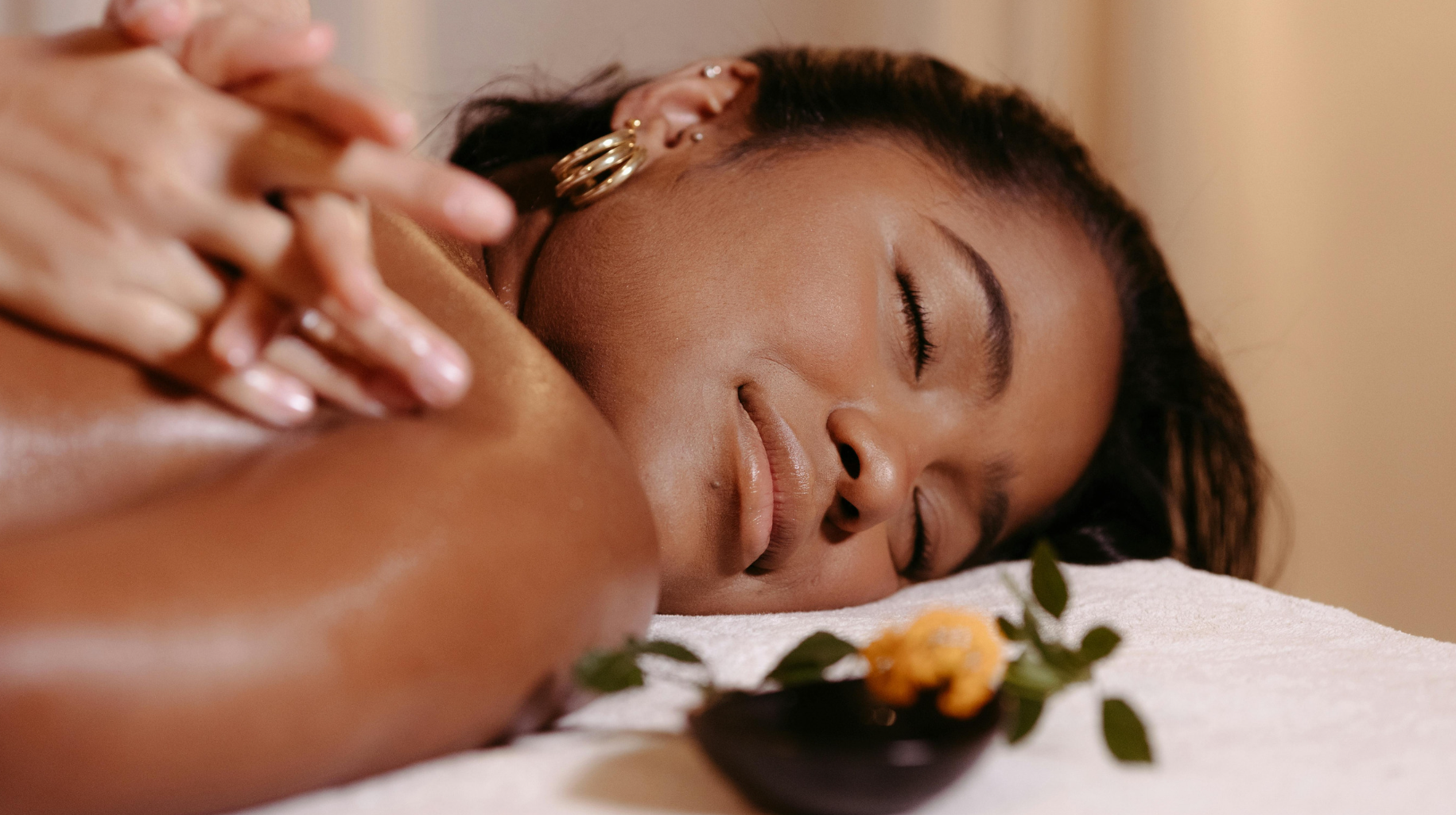
Circulation is more than just blood movement—it is the body’s way of maintaining balance, temperature regulation, and energetic vitality. When circulation is well-supported, many systems function more efficiently, including digestion, muscle recovery, and cognitive clarity.
When flow becomes restricted or slowed, it may show up subtly in daily life. Common signs include cold hands or feet, mild stiffness, fatigue, or a general sense of heaviness in the body. These signals are not problems in themselves, but invitations to restore movement and warmth.
Nurturing circulation is about consistency — small daily practices that encourage flow and vitality.
How Circulation Supports Whole-Body Vitality
Energy and Warmth Distribution
Efficient circulation helps distribute warmth evenly across the body. This contributes to physical comfort, especially in cooler environments or during long periods of inactivity.
When flow is supported, the body feels naturally more alive and responsive.
Nutrient and Oxygen Delivery
Blood flow carries essential nutrients and oxygen to cells, supporting repair, recovery, and sustained energy levels. When circulation is steady, the body is better able to maintain endurance throughout daily activities.
This creates a foundation for consistent vitality.
Support for Natural Detoxification
Circulation also plays a role in moving metabolic byproducts through the body’s natural elimination systems. Gentle flow helps maintain internal balance and reduces feelings of stagnation.
This contributes to overall lightness and clarity.
Traditional Wisdom on Circulation and Vitality
Across many traditional wellness systems, circulation was seen as a key indicator of health and vitality. Practices were designed not to force change, but to support natural rhythms of movement, warmth, and flow.
Movement as Medicine

Daily movement—such as walking, stretching, or light physical activity—was traditionally considered essential for maintaining internal harmony. Stillness for long periods was thought to slow vitality over time.
Movement was viewed as maintenance, not exertion.
The Role of Warmth
Warming practices were commonly used to support circulation, including heated compresses, baths, and warming herbs or foods. Warmth was believed to encourage openness and ease in the body’s flow.
Comfort and circulation were closely linked.
Rhythmic Living
Traditional approaches often emphasized rhythm—regular sleep, consistent meals, and cyclical rest and activity. This rhythm supported natural circulation and overall balance.
Consistency was considered more important than intensity.
Ways to Encourage Healthy Circulation
Gentle Movement
Daily stretching, walking, or light mobility exercises help encourage natural blood flow. Even short periods of movement can interrupt stagnation and restore comfort.
Consistency is more important than duration.
Warmth Therapy
Warm showers, heated compresses, or wrapping the body in warmth can help relax tissues and support circulation. These practices are especially helpful after long periods of sitting or inactivity.
Warmth invites relaxation and flow.
Mindful Breath
Deep, steady breathing helps oxygenate the body and supports rhythmic circulation. It also influences the nervous system, encouraging a calmer internal state.
Breath is one of the simplest tools for restoring balance.
The Connection Between Circulation and Emotional State

Circulation is not only physical—it is also connected to emotional experience. When the body feels restricted or tense, emotional states may feel heavier or more stagnant. When circulation is supported, there is often a sense of lightness and emotional ease.
This reflects the interconnected nature of body and mind.
Even small improvements in movement and breath can influence overall emotional tone.
Creating Sustainable Circulatory Support
The most effective approach to circulatory health is not intensity, but rhythm. Gentle practices repeated consistently create lasting change over time.
This allows the body to adapt without stress or overwhelm.
Simplicity becomes the foundation of long-term vitality.
Closing Reflection
Circulation reflects life in motion. It is the quiet current that supports energy, warmth, and resilience throughout the body.
When we move gently and consistently, breathe deeply, and support warmth, the body responds with renewed vitality—flowing with ease, balance, and steady strength.