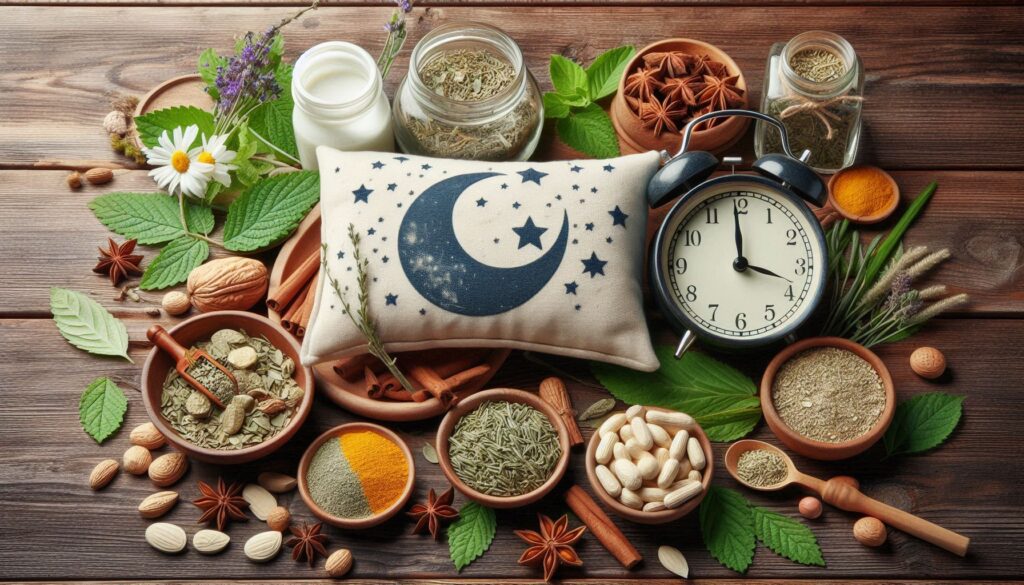
As modern life becomes increasingly fast-paced and stressful, many people are turning to natural remedies to support emotional balance and mental well-being. Among the most widely explored natural approaches are herbs traditionally associated with relaxation, stress reduction, mood support, and emotional resilience.
For centuries, herbal practices across cultures have used plants to help calm the mind, improve sleep, support focus, and encourage a more balanced emotional state. Today, scientific research continues to explore how certain herbs may influence stress responses, neurotransmitters, sleep quality, and overall mood.
This growing connection between traditional herbal wisdom and modern research has made herbs an increasingly popular part of holistic wellness routines.
Understanding the Connection Between Herbs and Mood
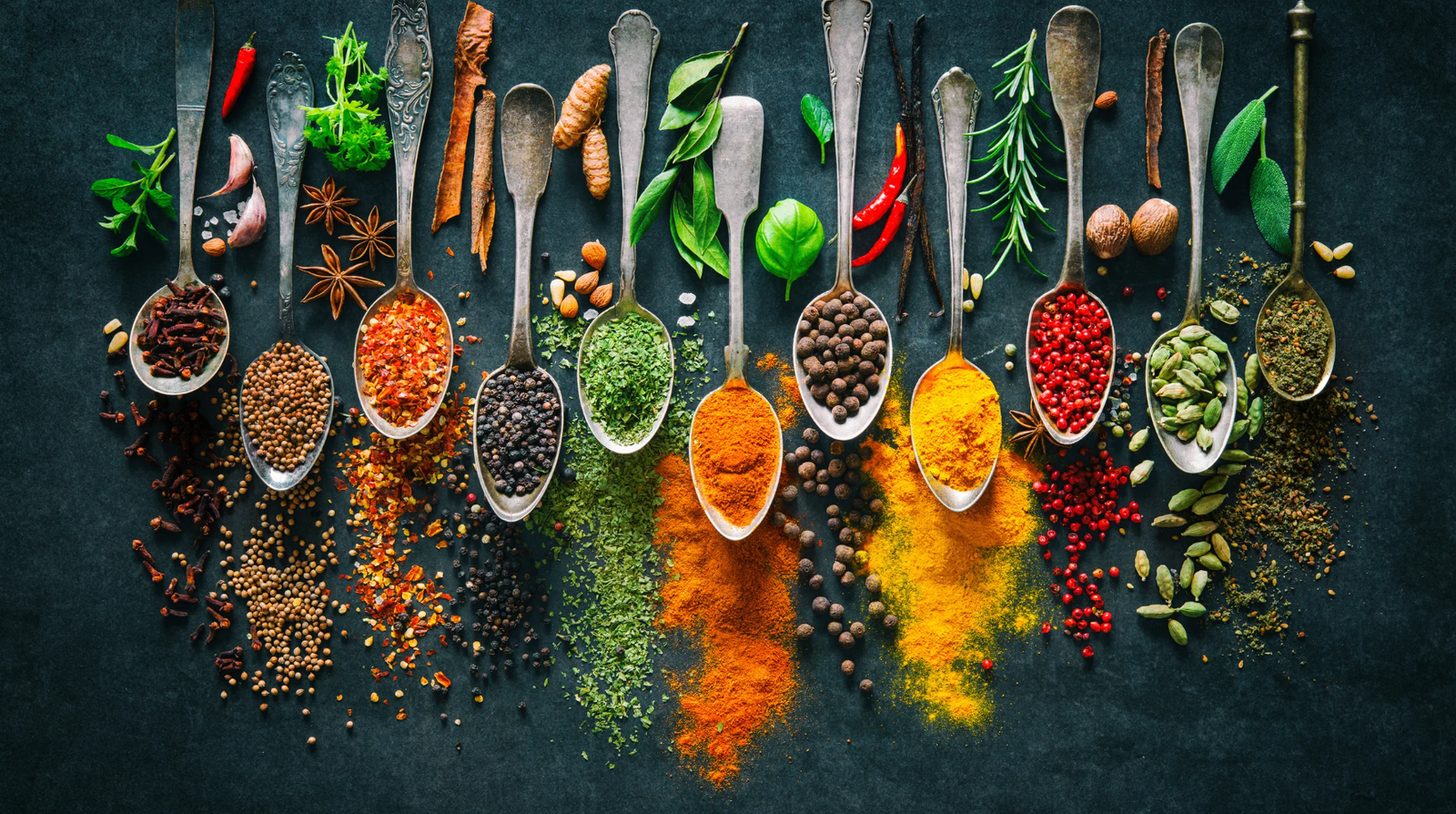
Mental wellness is influenced by many factors, including stress levels, sleep quality, nervous system regulation, lifestyle habits, and brain chemistry. Certain herbs contain naturally occurring compounds that may interact with these systems in supportive ways.
Some herbs are considered adaptogens, which may help the body respond more effectively to stress. Others are known for calming properties that may encourage relaxation, emotional steadiness, or improved sleep.
While herbs are not a replacement for professional medical care, research suggests they may offer supportive benefits when used thoughtfully and consistently.
St. John’s Wort: Nature’s Traditional Mood Herb
One of the most widely researched herbs for mood support is St. John’s Wort (Hypericum perforatum). Traditionally used to help lift the spirits and support emotional balance, it has become especially well known for its potential role in mild to moderate depression support.
What Research Suggests
Several studies and reviews have explored the effects of St. John’s Wort on mood. Research suggests it may influence neurotransmitters such as serotonin, dopamine, and norepinephrine, which are associated with emotional well-being and mood regulation.
Some findings indicate that St. John’s Wort may produce effects comparable to certain conventional antidepressants for mild to moderate depression. However, it can also interact with medications, including antidepressants and birth control pills, making professional guidance especially important before use.
Ashwagandha: Supporting Stress Resilience
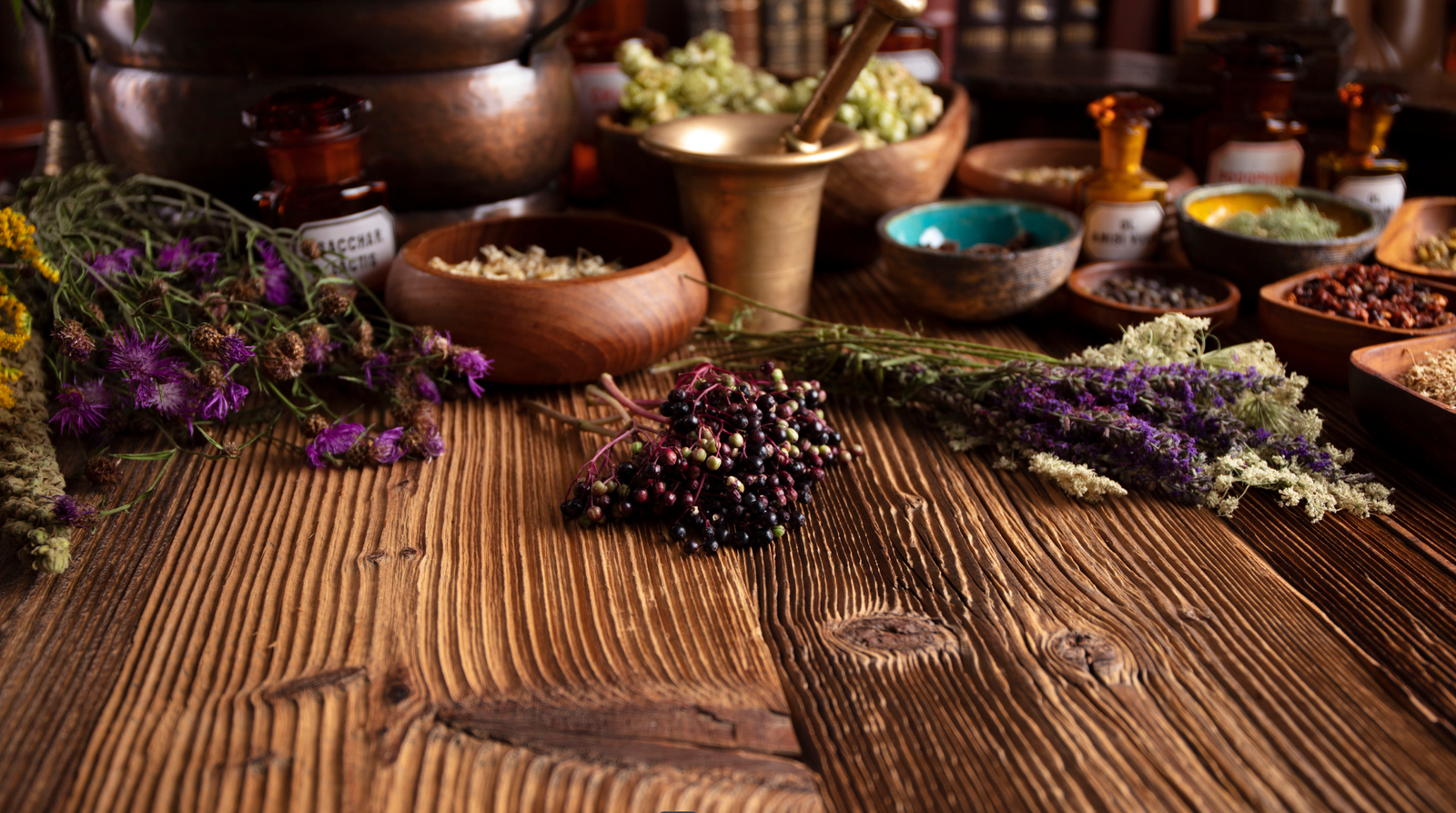
Ashwagandha (Withania somnifera) is a well-known adaptogenic herb used in Ayurvedic traditions for centuries. It is commonly associated with stress reduction, emotional balance, and mental clarity.
How Ashwagandha May Help
Research has shown that Ashwagandha may help lower cortisol levels, the hormone most closely associated with stress responses. Participants in several studies reported reductions in feelings of stress, tension, and fatigue after consistent use.
Benefits Beyond Stress Relief
In addition to emotional support, Ashwagandha may also help improve sleep quality and energy balance. Since chronic stress and poor sleep are closely connected to mood challenges, this broader support may contribute to overall mental wellness.
Its calming yet balancing nature has made Ashwagandha especially popular among individuals dealing with mental fatigue and high daily stress levels.
Lavender: Calming the Mind and Nervous System
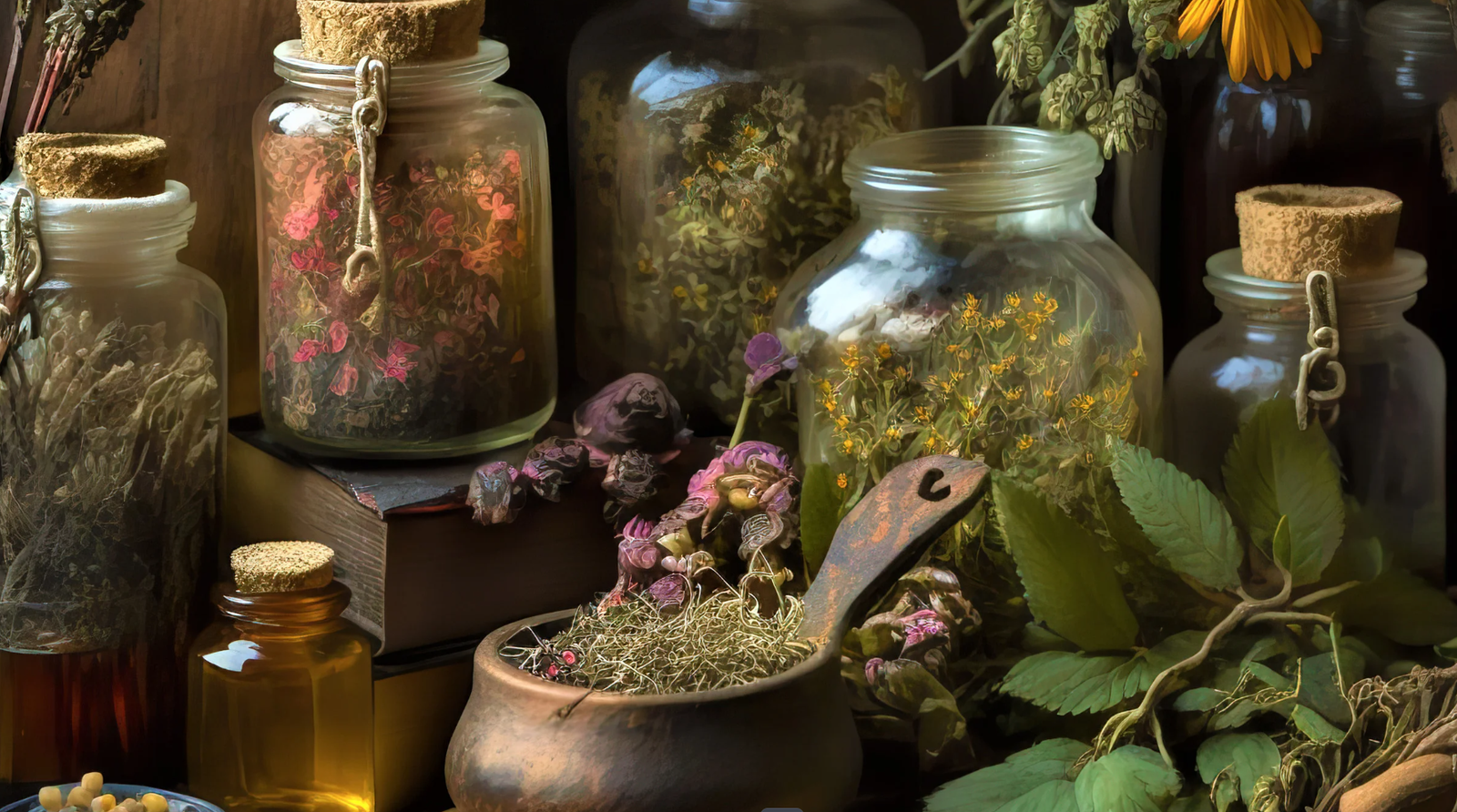
Lavender (Lavandula angustifolia) is widely recognized for its soothing aroma and calming properties. It is commonly used in essential oils, teas, bath products, and herbal supplements to encourage relaxation and emotional ease.
Research on Lavender and Anxiety
Studies suggest that lavender may help reduce symptoms of mild anxiety and promote relaxation. Certain compounds in lavender, particularly linalool, appear to interact with the nervous system and emotional centers of the brain.
Many people use lavender aromatherapy to support calmness during stressful periods, while others use oral supplements or teas to help encourage relaxation and better sleep quality.
Why Lavender Remains Popular
One reason lavender remains widely used is its gentle nature. For individuals seeking non-pharmaceutical approaches to mild stress or nervous tension, lavender offers a simple and accessible option that can easily fit into daily routines.
Rhodiola Rosea: Supporting Energy and Emotional Balance
Rhodiola Rosea is another adaptogenic herb traditionally used to combat fatigue and improve resilience during stressful situations. Native to colder regions of Europe and Asia, it has long been associated with stamina, mental endurance, and mood support.
What Studies Have Found
Research suggests Rhodiola may help reduce symptoms of stress-related fatigue and low mood. Some studies indicate that it may influence serotonin and dopamine activity, potentially supporting emotional balance and mental energy.
Because stress and exhaustion often go hand in hand, Rhodiola is frequently used by individuals experiencing burnout, low motivation, or mental fatigue.
A Balancing Adaptogen
Unlike herbs primarily associated with sedation, Rhodiola is often described as balancing and energizing. Many people use it to support focus and resilience while still promoting emotional steadiness.
Chamomile: Gentle Relaxation for Mind and Body
Chamomile (Matricaria chamomilla) is one of the most familiar herbs associated with calmness and sleep support. Often consumed as tea, chamomile has traditionally been used to ease nervous tension and encourage relaxation before bedtime.
Chamomile and Anxiety Support
Research has shown that chamomile extract may help reduce symptoms associated with generalized anxiety. The herb contains compounds such as apigenin, which interact with receptors in the brain linked to calmness and relaxation.
Supporting Restful Sleep
Since sleep and emotional wellness are closely connected, chamomile’s ability to promote restful sleep may indirectly support mood balance as well.
Its gentle nature makes it a popular choice for individuals seeking a calming nighttime ritual.
Passionflower: Easing Restlessness and Mental Tension
Passionflower (Passiflora incarnata) has long been used in traditional herbal medicine to ease nervous restlessness and encourage relaxation.
How Passionflower Works
Research suggests passionflower may increase levels of gamma-aminobutyric acid (GABA), a neurotransmitter associated with relaxation and reduced nervous system activity.
By supporting calmer brain activity, passionflower may help ease anxious feelings without causing excessive grogginess.
Supporting Relaxation Naturally
Passionflower is commonly used in teas, tinctures, and herbal blends designed for stress reduction and sleep support. Many people find it especially helpful during periods of emotional overstimulation or restlessness.
Lemon Balm: Calmness with Gentle Upliftment
Lemon balm (Melissa officinalis) belongs to the mint family and is known for both calming and mood-supportive properties. With its subtle citrus scent and mild sedative qualities, it is frequently used in teas and herbal formulas.
Mood and Cognitive Benefits
Research indicates that lemon balm may help improve calmness, reduce tension, and support cognitive performance during stressful situations.
Compounds such as rosmarinic acid may help support GABA activity in the brain, contributing to feelings of relaxation and emotional steadiness.
Supporting Digestion and Emotional Balance
Interestingly, lemon balm has also traditionally been used to support digestion. Since digestive discomfort and stress often influence one another, this dual support may contribute to a greater overall sense of well-being.
Important Considerations When Using Herbs for Mental Wellness
While herbs can offer supportive benefits, it is important to use them thoughtfully and safely.
Start Slowly
Begin with smaller amounts when trying a new herb to observe how your body responds.
Consult a Healthcare Professional
Certain herbs may interact with medications or may not be suitable for everyone. Speaking with a qualified healthcare provider is especially important if you are pregnant, nursing, taking medication, or managing a health condition.
Choose the Right Form
Herbs can be consumed in many forms, including:
- Teas
- Capsules
- Tinctures
- Essential oils
- Powders
- Aromatherapy products
Choosing a form that fits your lifestyle can help create greater consistency.
Consistency Matters
Many herbs work gradually over time rather than instantly. Consistent use alongside healthy lifestyle habits often produces the best results.
Creating a Holistic Approach to Emotional Wellness
Herbs are most effective when combined with supportive daily habits such as:
- Quality sleep
- Balanced nutrition
- Regular movement
- Stress management practices
- Mindfulness or relaxation techniques
- Healthy social connection
Mental wellness is deeply connected to overall lifestyle balance, and herbs may serve as one helpful part of a broader wellness approach.
Closing Reflection
The growing body of research surrounding herbs and mental wellness highlights the powerful relationship between nature and emotional well-being. From calming herbs like lavender and chamomile to adaptogens such as Ashwagandha and Rhodiola, many plants offer supportive properties that may help the body and mind respond more gently to stress.
While herbal support should always be approached thoughtfully and responsibly, these traditional remedies continue to play an important role in holistic wellness practices around the world.
As research continues to evolve, herbs remain a reminder that small, natural practices can sometimes provide meaningful support for a calmer, more balanced state of mind.