
Life’s ups and downs can gently—but sometimes persistently—challenge emotional equilibrium. Stress, uncertainty, and constant mental activity can leave the mind feeling unsettled, reactive, or slightly unanchored. Over time, this can affect focus, mood stability, and the ability to feel centered in daily life.
In traditional herbal practices, certain plants have been valued for their subtle ability to support emotional steadiness. Rather than suppressing emotions or forcing calm, these herbs work by gently encouraging balance within the nervous system, helping the mind return to a more grounded state.
This is an approach that honors the mind’s natural resilience.
The Essence of Herbal Emotional Support
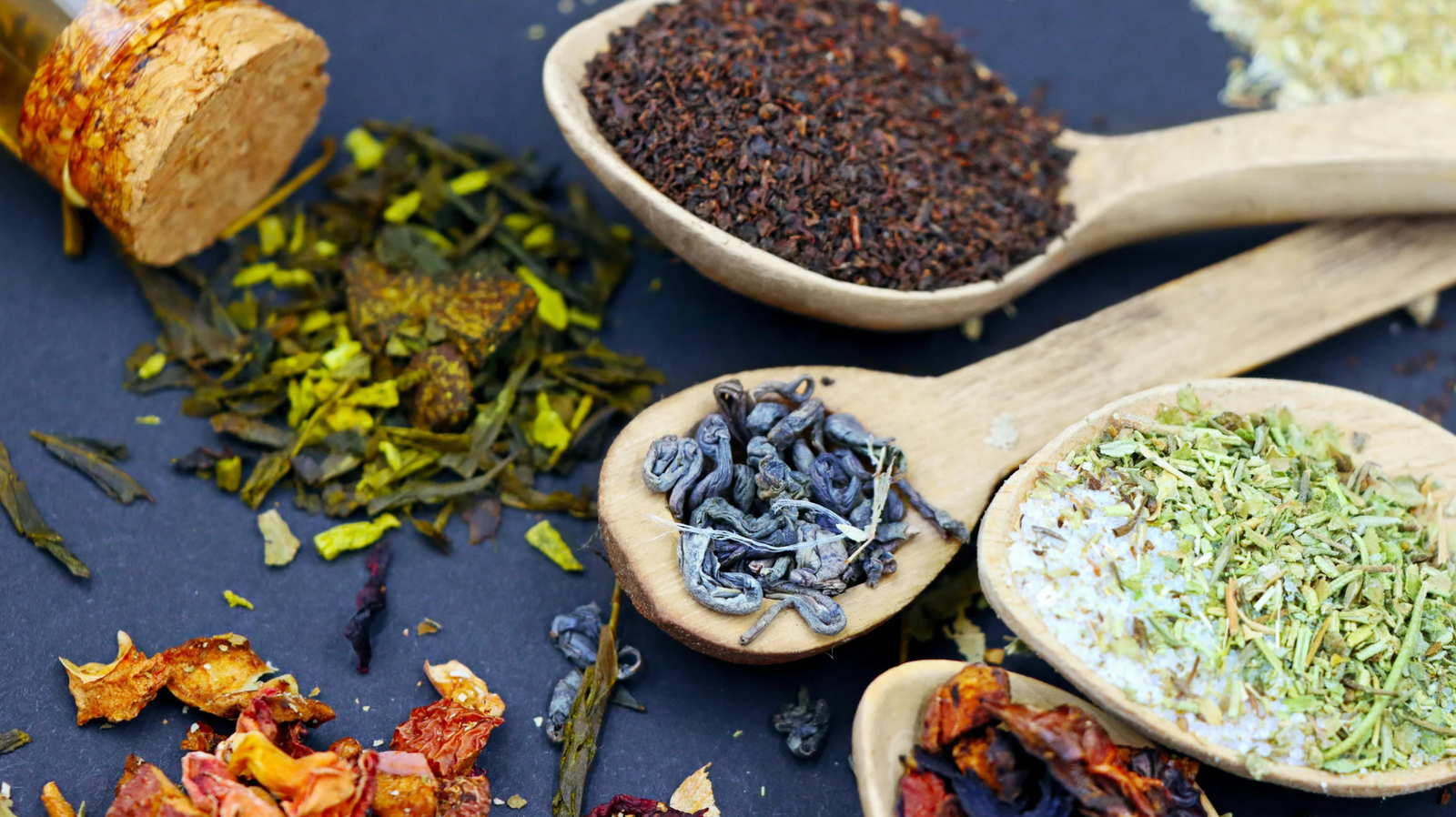
Emotional balance is closely tied to the health of the nervous system. When the body feels overstimulated or fatigued, emotional responses may become more intense or difficult to regulate. Gentle herbal support can help create a more stable internal environment where the mind can settle more easily.
Two herbs often associated with this type of support are oat straw and ashitaba. Each offers a unique yet complementary form of nourishment for both body and mind.
Oat Straw: Gentle Nervous System Nourishment
Oat straw (Avena sativa) has long been used in traditional herbalism as a soothing tonic for the nervous system. It is often described as calming without sedation, offering a soft stabilizing effect that supports mental steadiness.
Rather than pushing the body in any direction, oat straw is traditionally valued for its ability to nourish over time, helping the system feel more supported during periods of stress or emotional strain.
It is often associated with restoring calm clarity and reducing feelings of nervous tension.
Ashitaba: Subtle Adaptogenic Balance
Ashitaba (Angelica keiskei) is a traditional Japanese plant known for its adaptogenic properties. Adaptogens are herbs that support the body’s ability to respond to stress more effectively, helping maintain internal balance during demanding periods.
Ashitaba is often described as gently energizing yet grounding, supporting vitality without overstimulation.
Together with oat straw, it contributes to a sense of steady resilience and emotional clarity.
Why Emotional Stability Needs Gentle Support
Emotional stability is not about suppressing feelings or eliminating stress entirely. Instead, it is about helping the nervous system process experiences with greater ease and flexibility.
When the system is overwhelmed, even small stressors can feel amplified. Gentle herbal support aims to reduce this internal pressure, allowing emotions to move through more smoothly.
This creates space for a calmer, more balanced response to life’s challenges.
Time-Honoured Wisdom Around Nervous System Herbs
Across traditional herbal systems, plants like oat straw have long been used as daily tonics for emotional and nervous system health. Rather than being reserved for moments of crisis, they were often incorporated into everyday life as long-term support.
This reflects an important principle: emotional resilience is built gradually, not instantly.
Nourishment Over Force
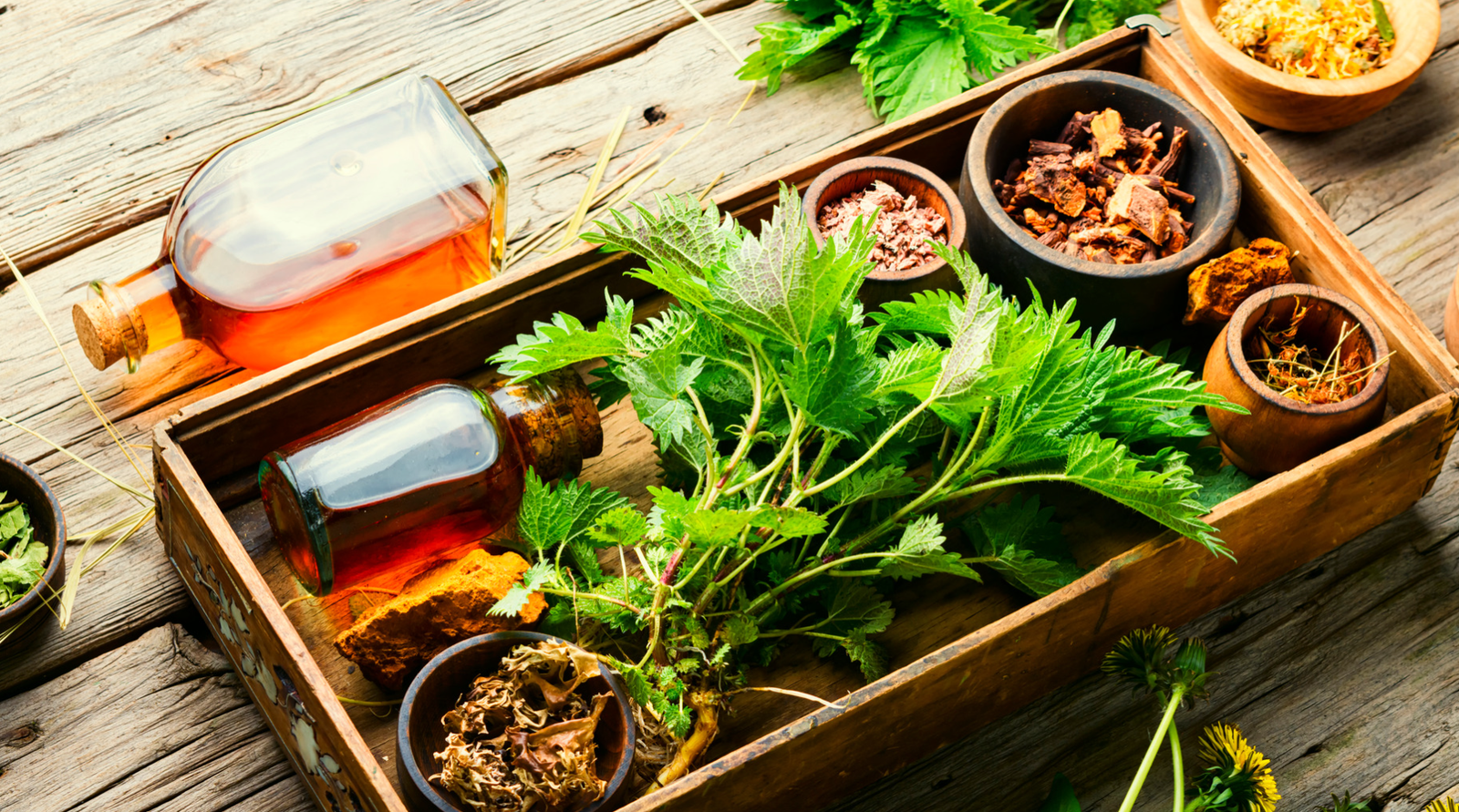
Herbal traditions often emphasize nourishment as the foundation of emotional well-being. Instead of strong interventions, gentle plants were chosen to support the system consistently over time.
This approach respects the body’s natural rhythms and avoids overwhelming its capacity to adapt.
Building Resilience Through Consistency
Both oat straw and ashitaba are best understood as supportive companions rather than quick fixes. Their benefits are often most noticeable when used regularly, allowing their subtle effects to accumulate gently.
Consistency helps create a more stable internal foundation for emotional balance.
Working with Herbs for Mental Wellness
Herbs that support emotional stability can be integrated into simple, calming daily routines.
Prepare Light Herbal Infusions
Oat straw and similar herbs can be enjoyed as mild teas or infusions throughout the day. Sipping them slowly can become a grounding ritual that supports both hydration and emotional ease.
Combine with Reflective Practices
Herbal support becomes even more effective when paired with mindful activities such as:
Journaling
Meditation
Slow breathing exercises
Quiet reflection
Gentle walks in nature
These practices help the mind process emotions more clearly.
Use Consistently During Stressful Periods

Rather than relying on occasional use, these herbs are often most supportive when integrated regularly, especially during times of emotional pressure or change.
Respect the Mind’s Natural Pace
Emotional balance cannot be rushed. Supporting the nervous system gently allows the mind to restore itself in alignment with its natural rhythm.
Respecting this pace is key to long-term stability.
The Emotional Side of Grounding
Grounding practices—whether through herbs, breath, or time in nature—help reconnect the mind to a sense of stability within the present moment.
When the nervous system feels supported, emotional reactions often soften naturally. This does not remove emotional depth, but it can create more space between stimulus and response.
In that space, clarity can emerge.
Creating Inner Stability Through Gentle Care
Emotional resilience is built through repeated moments of care rather than single efforts. Herbs like oat straw and ashitaba remind us that stability is something cultivated over time.
Small, consistent practices can help create a stronger internal foundation that supports both calm and clarity.
This kind of support is subtle, but deeply meaningful in how it shapes daily emotional experience.
Closing Reflection
Herbs like oat straw and ashitaba teach that emotional stability grows from gentle, consistent care. Rather than forcing balance, they support the conditions in which balance can naturally emerge.
When the nervous system is nurtured with patience and respect, the mind becomes more capable of settling, adapting, and restoring itself.
In this quiet support, calm, clarity, and grounded resilience begin to arise naturally from within.