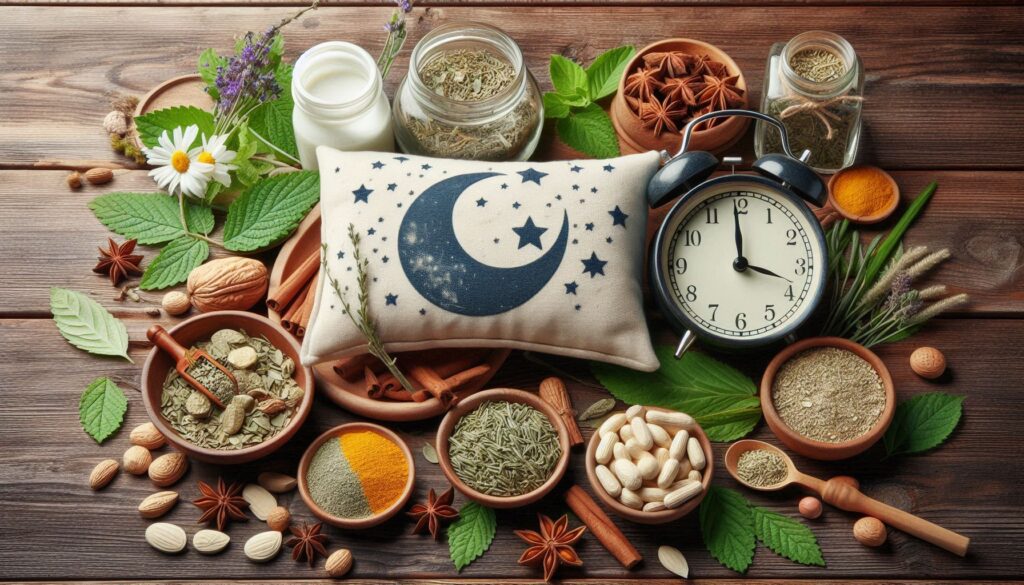
Mental wellness isn’t simply about being productive every moment of the day. It also involves giving your brain opportunities to rest, recover, and reset.
When life becomes busy, small rituals can help create structure and moments of mindfulness.
One herb that has attracted considerable interest for its traditional association with cognitive wellness is ginkgo biloba.
Ginkgo comes from one of the world’s oldest living tree species and has been used in traditional herbal practices for centuries.
Why Ginkgo Is So Well Known
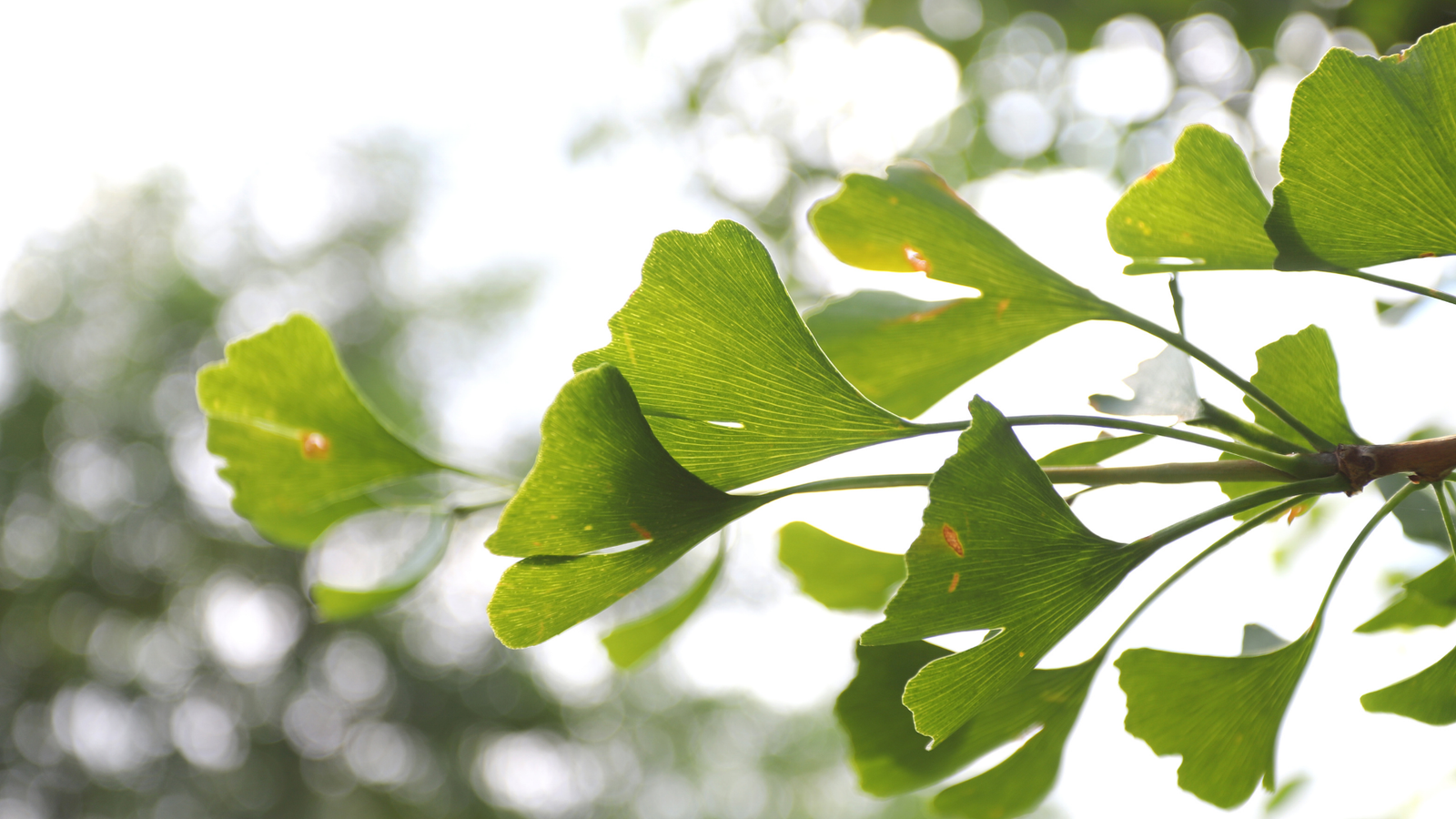
Ginkgo biloba has been extensively studied for its potential effects on memory and cognitive function.
Although research has produced mixed results, ginkgo remains a popular herbal supplement, particularly among people interested in healthy ageing and cognitive wellness.
It’s important to remember that an herbal supplement is not a substitute for treatment of memory disorders or other neurological conditions.
Supporting Your Mind Beyond Supplements
Whether or not you choose to explore ginkgo, mental wellness should involve more than one ingredient.
Your brain benefits from the basics too.
Regular physical activity supports overall health. Consistent sleep gives the brain time to recover. Staying socially connected can support emotional wellbeing. Learning new skills keeps your mind engaged.
Even taking regular breaks from digital stimulation can help create a healthier relationship with technology.
Turn Wellness Into a Ritual
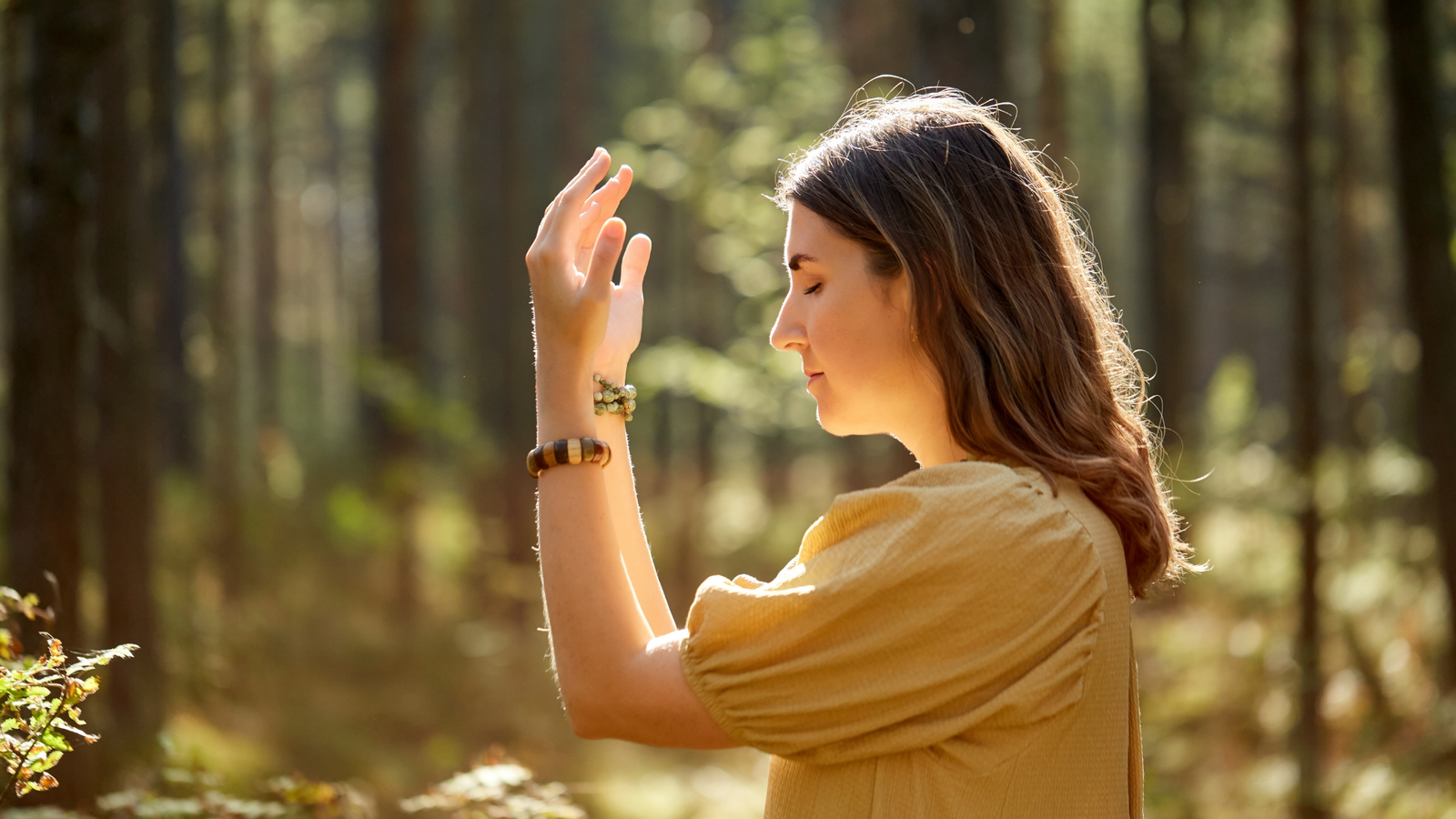
Instead of taking an herb and immediately returning to a hectic schedule, create a small ritual around your wellbeing.
You could spend ten minutes journaling in the morning, take a walk during lunch, read before bed, or practice a few minutes of mindful breathing.
These simple activities give your attention somewhere intentional to go.
A Word About Ginkgo Supplements
Ginkgo can interact with certain medications, including some medicines that affect blood clotting. It may not be appropriate for everyone.
If you’re considering ginkgo supplements, particularly if you take medication or have a medical condition, consult a qualified healthcare professional first.
Mental wellness isn’t about finding one perfect solution. It’s about creating an environment where your mind has opportunities to focus, rest, connect, and recover.