Mental wellness involves much more than trying to feel positive all the time. It includes learning how to manage stress, recognizing when you need support, maintaining healthy relationships, and giving yourself time to rest.
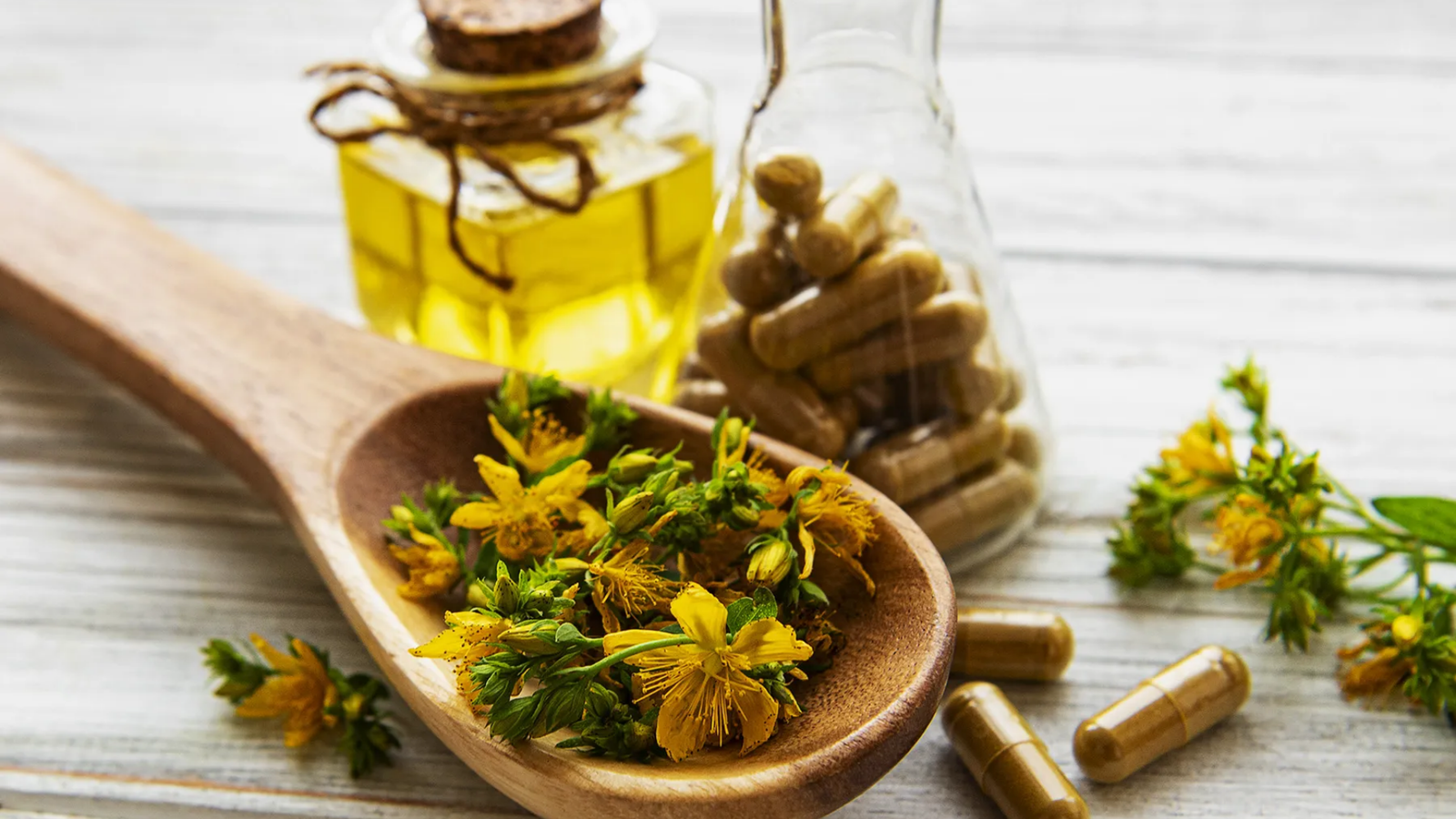
One herb frequently discussed in connection with mood is St. John’s wort.
The plant, known botanically as Hypericum perforatum, has a long history of traditional use and has been studied extensively for its potential effects on mild-to-moderate depression.
Why St. John’s Wort Requires Extra Care
Unlike many culinary herbs, St. John’s wort can interact with a large number of medications.
It can affect how the body processes certain medicines, potentially reducing their effectiveness. It can also interact with some antidepressants and other medications.
For this reason, St. John’s wort should not be treated like an ordinary herbal tea or casual wellness supplement.
If you’re taking medication, speak with a doctor or pharmacist before considering St. John’s wort.
Mental Wellness Beyond Herbs
Whether or not an herb is part of your routine, mental wellbeing benefits from everyday habits.
Create boundaries around work. Get enough sleep. Spend time outdoors. Stay connected with people you trust. Move your body. Take breaks from social media. Give yourself permission to rest.
And perhaps most importantly, don’t wait until you’re overwhelmed to ask for support.
Professional mental health care can be an important part of wellness, especially when stress, anxiety, low mood, or other concerns begin interfering with everyday life.
Make Space for Yourself

A wellness routine doesn’t need to be elaborate.
You could begin your morning without immediately checking your phone. Take five minutes to breathe slowly. Write down what you need to accomplish. Step outside for fresh air.
Small practices can create a sense of structure in an otherwise hectic day.
Knowledge Is Part of Wellness
St. John’s wort is an example of why “natural” doesn’t automatically mean “risk-free.”
Herbs can contain biologically active compounds, and some can interact significantly with medications.
The safest approach is an informed one: understand what you’re taking, know the potential risks, and seek professional guidance when necessary.
Mental wellness deserves care that is thoughtful, informed, and compassionate.