Travel places unique demands on the body, often in ways that are subtle at first but become noticeable over time. Long flights, shifting climates, irregular meal times, and changes in activity levels can all disrupt the body’s natural balance. Among all these factors, hydration is one of the first and most important rhythms to be affected.
Maintaining proper hydration during travel supports not just comfort, but the body’s ability to adapt smoothly to new environments. It influences how we feel physically, mentally, and even emotionally throughout the journey.
Hydration is not simply about drinking water — it is about supporting balance.
The Essence of Travel Hydration
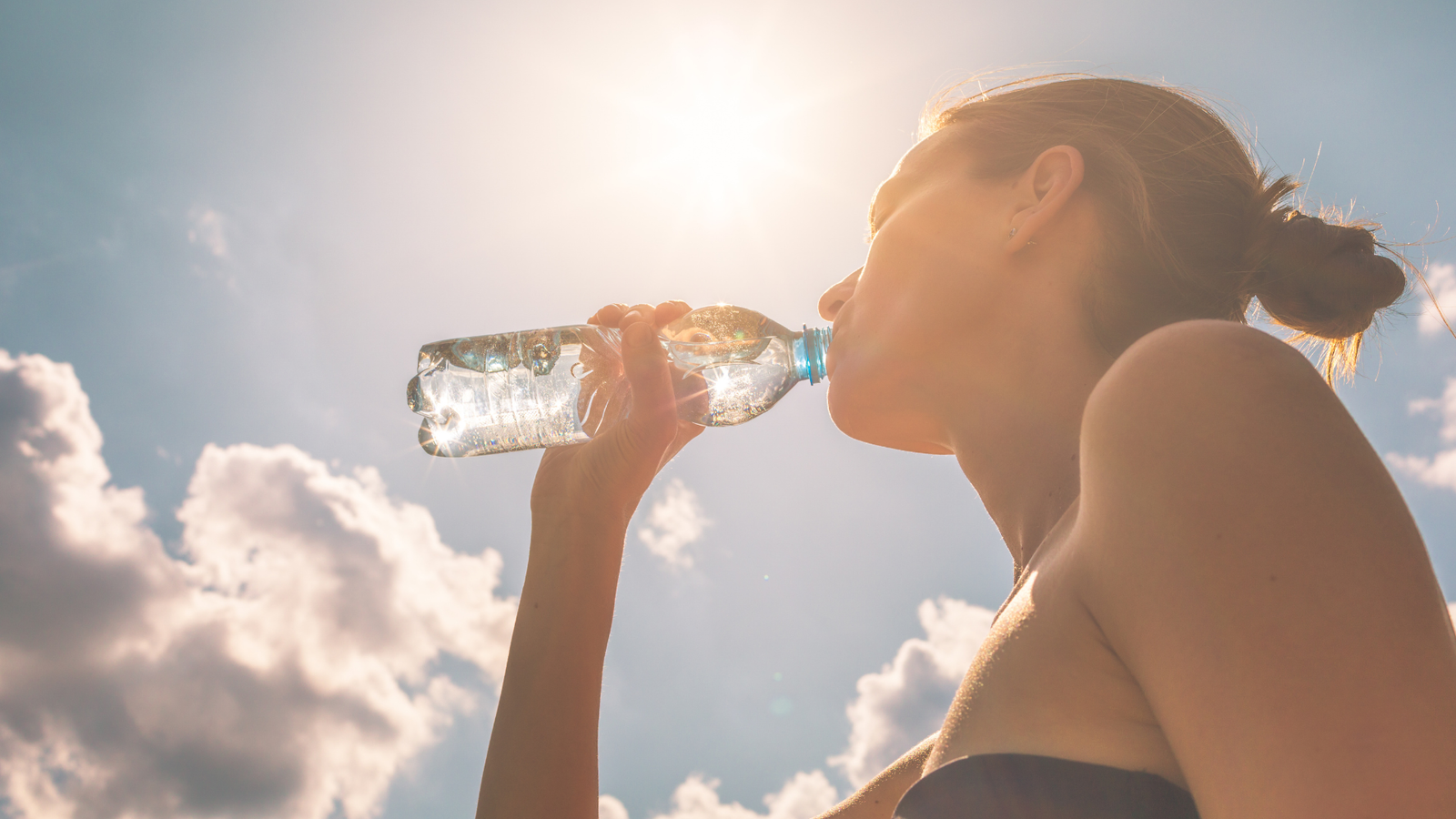
Hydration is fundamental to nearly every system in the body. It supports circulation, helps regulate body temperature, and plays a key role in digestion and nutrient transport. When hydration levels drop, these systems begin to function less efficiently, often leading to noticeable changes in energy and comfort.
During travel, mild dehydration is common. Airplane cabins, for example, tend to have low humidity, which can increase fluid loss. Similarly, warmer climates or increased walking and movement can raise the body’s fluid needs.
Adequate hydration supports joint comfort, cognitive clarity, and temperature regulation. Dehydration during travel can contribute to fatigue, digestive sluggishness, and physical discomfort.
Supporting hydration helps the body adapt more gracefully to unfamiliar environments.
Why Hydration Feels Different While Traveling
The body’s hydration needs do not change dramatically during travel, but the conditions around it do. These environmental shifts can quietly increase fluid loss or reduce awareness of thirst.
Air Travel and Dry Environments
Cabin air on flights is typically much drier than ground-level environments. This can lead to faster moisture loss through breathing and skin exposure, even if activity levels are low.
Because of this, travelers may feel more fatigued or dehydrated after long flights without realizing the cause.
Changes in Diet and Routine
Travel often involves different foods, salt levels, and meal timings. These changes can influence how the body retains and processes fluids.
Irregular eating patterns may also reduce consistent hydration habits.
Increased Physical Activity
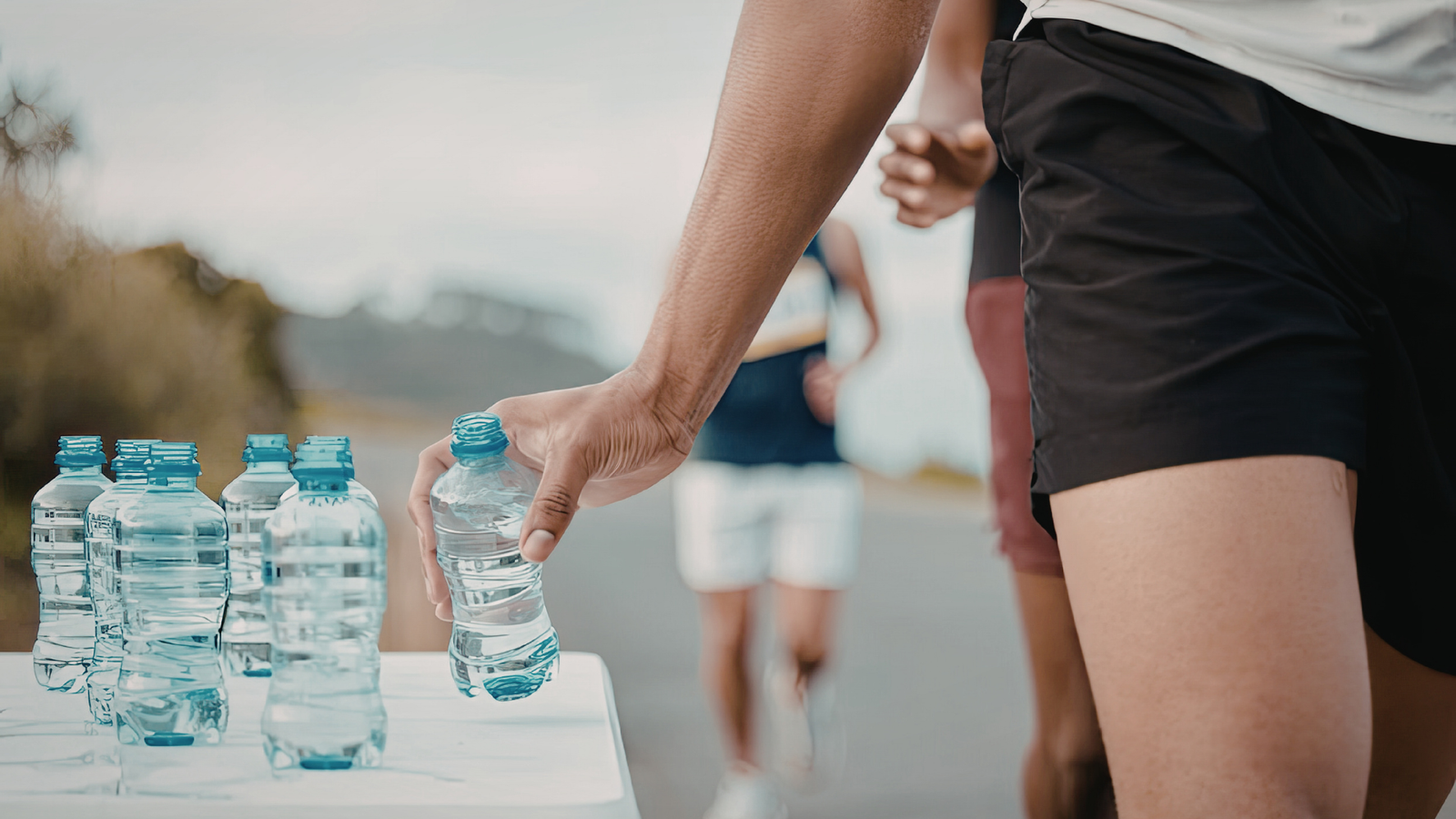
Even when travel feels restful, it often involves more movement than usual—walking through airports, exploring new locations, or carrying luggage. This increases the body’s fluid requirements.
Without intentional hydration, this added demand can contribute to tiredness.
Traditional Wisdom on Hydration and Travel
Across many traditional wellness systems, hydration was considered a foundational element of health, especially during travel. Water was viewed not only as a physical necessity, but as a carrier of vitality and balance.
Sipping as a Practice
Rather than consuming large amounts of water at once, traditional approaches often emphasized steady sipping throughout the day. This allowed the body to absorb fluids more efficiently and maintain consistent hydration levels.
Small, regular intake supported internal balance.
Warmth and Internal Comfort
In many traditions, warm fluids were preferred during travel. Warm water or teas were believed to support digestion and internal stability, especially in changing climates.
Warmth was associated with ease and adaptation.
Awareness of Environmental Conditions
Travelers were encouraged to adjust fluid intake based on surroundings—drinking more in heat, dry climates, or at higher altitudes. This awareness helped maintain balance in varying conditions.
Adaptability was key to wellness.
Hydration Practices for Travelers
Hydration during travel is most effective when it becomes a consistent, gentle habit rather than a reactive one.
Sip Consistently Rather Than Drinking in Large Amounts
Taking small, regular sips throughout the day helps maintain steady hydration levels. This approach supports absorption and reduces sudden fluctuations in fluid balance.
Consistency is more effective than intensity.
Include Mineral-Rich Fluids
Minerals such as sodium, potassium, and magnesium help the body retain and use fluids effectively. Including mineral-rich drinks or electrolyte-balanced options can support hydration more fully than water alone.
This helps maintain internal equilibrium.
Adjust Intake to Conditions
Hydration needs vary depending on climate, altitude, activity level, and duration of travel. Being mindful of these factors allows the body to stay better supported throughout the journey.
Awareness enhances responsiveness.
The Connection Between Hydration and Travel Experience
Hydration influences more than just physical comfort. It also affects mental clarity, mood stability, and overall enjoyment of travel. Even mild dehydration can contribute to irritability, fatigue, or difficulty concentrating.
When hydration is well-maintained, the body feels more adaptable and resilient. This creates a smoother travel experience, allowing attention to remain on the journey itself rather than physical discomfort.
Simple Ways to Support Hydration Naturally
Small, mindful habits can make hydration feel easier and more sustainable while traveling.
- Carry a reusable water bottle for consistent access to fluids
- Include water-rich foods such as fruit, cucumber, or soups
- Balance caffeine and alcohol intake with additional water
- Drink fluids before feeling intensely thirsty
- Choose nourishing beverages that support both hydration and minerals
These gentle practices help the body remain steadier throughout changing environments and routines.
Closing Reflection
Hydration is a quiet form of resilience. It does not demand attention, yet it profoundly shapes how the body experiences movement, change, and environment.
When the body is well-hydrated, it adapts with greater ease—allowing travel to feel nourishing, steady, and fully present rather than depleting.