
Mental health is often misunderstood as a state of constant calm or the absence of struggle. In reality, it is far more dynamic. Life naturally brings uncertainty, emotional shifts, and periods of stress. What shapes long-term wellbeing is not the avoidance of difficulty, but the ability to meet it with awareness, flexibility, and self-trust.
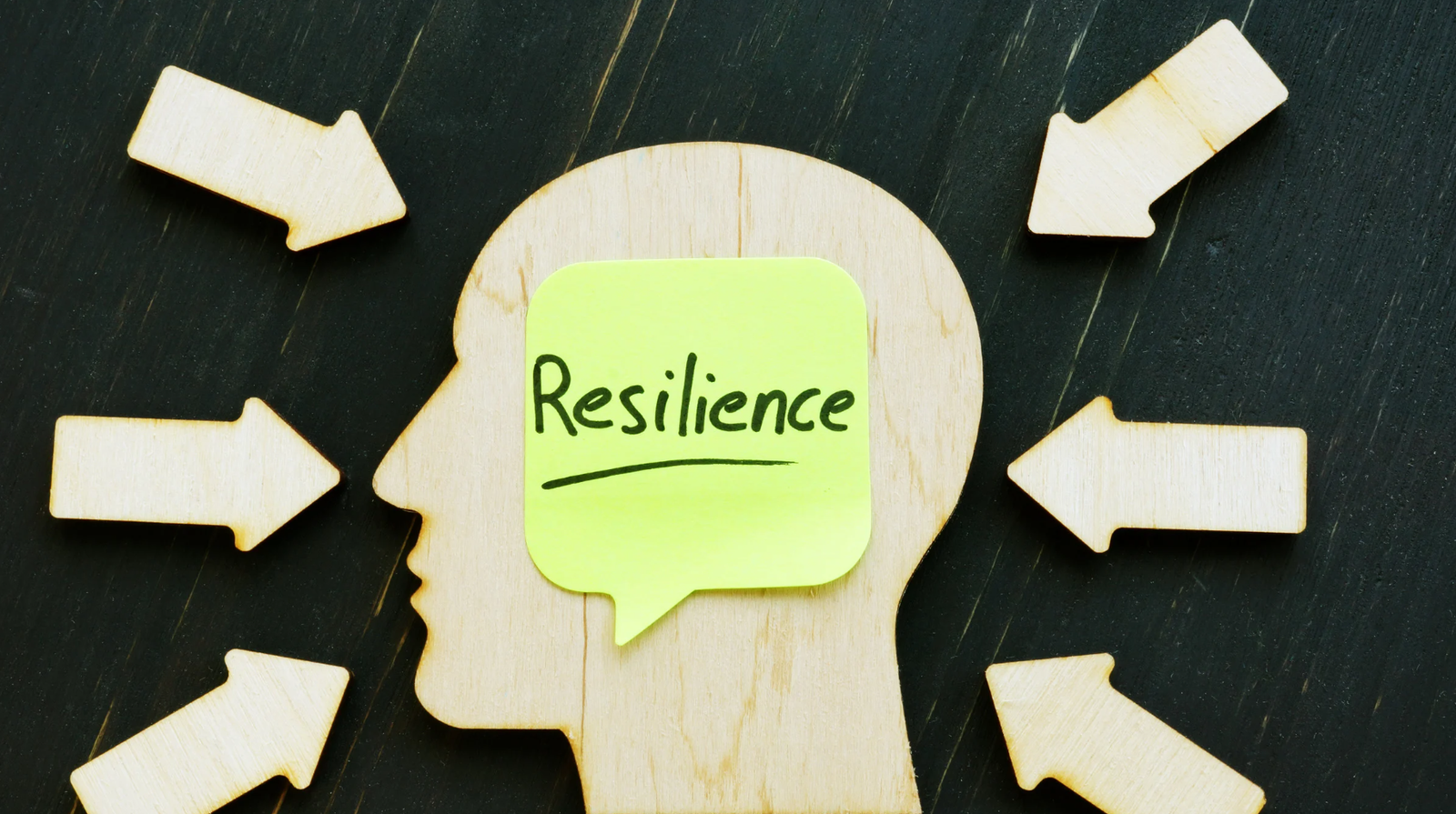
Emotional resilience grows through experience, reflection, and intentional care. It is not a fixed trait, but a developing capacity—something strengthened over time through how we relate to our thoughts, feelings, and inner responses.
This inner strength is cultivated slowly, through intentional care.
The Essence of Emotional Resilience

Emotional resilience is the ability to stay present with experience without becoming overwhelmed by it. It allows emotions to move through the body and mind rather than becoming suppressed or stored. This creates space for processing, understanding, and eventual release.
Rather than eliminating emotional intensity, resilience supports a healthier relationship with it. Feelings are acknowledged, not resisted. In this way, emotional energy remains fluid rather than stagnant.
Over time, this builds confidence in one’s ability to navigate life’s changes.
Resilience supports confidence, adaptability, and emotional integrity, especially during uncertain or demanding seasons of life.
Rather than suppressing emotion, resilience honours it.
How Self-Trust Supports Mental Wellness
At the core of emotional resilience is self-trust. This is the internal sense that one can rely on their own awareness, judgment, and capacity to respond to life. Self-trust does not mean always having the right answer, but rather being able to listen inwardly and adjust when needed.
When self-trust is strong, decision-making becomes less reactive. There is less dependence on external validation and more confidence in internal guidance. This reduces anxiety and supports emotional stability over time.
Self-trust also creates space for imperfection. Mistakes are no longer seen as failures of identity, but as part of learning and growth.
Mental wellness becomes more sustainable when grounded in this internal reliability.
Wisdom From Holistic Traditions
Across many holistic traditions, emotional health has been understood as something deeply interconnected with daily life. Rather than being isolated to the mind alone, emotional wellbeing was seen as shaped by relationships, environment, physical health, and internal dialogue.
Emotional Health as a Dynamic System
Traditional approaches recognized that emotions naturally fluctuate. Instead of trying to maintain constant emotional control, the focus was on maintaining awareness and balance through changing conditions.
This perspective reduces pressure and encourages acceptance.
The Role of Self-Reflection
Practices such as journaling, meditation, and quiet reflection were commonly used to maintain emotional clarity. These tools supported individuals in observing their internal patterns without judgment.
Self-awareness was seen as a key component of emotional stability.
Compassionate Awareness

Holistic systems emphasized the importance of kindness toward oneself. Emotional difficulty was not treated as weakness, but as part of the human experience.
This compassionate lens helped reduce internal resistance and emotional suppression.
Mental wellness was rooted in self-connection.
Practices to Build Emotional Resilience
Emotional resilience develops through consistent, supportive practices that strengthen awareness and internal stability.
Journaling to Process Emotional Patterns
Writing thoughts and emotions down can help organize internal experiences. It creates distance between feeling and reaction, allowing for clearer understanding.
This practice supports emotional clarity and release.
Creating Boundaries That Protect Mental Energy
Healthy boundaries help regulate emotional input from external environments. They protect mental space and reduce overwhelm, especially in demanding or socially intense situations.
Boundaries are a form of self-respect.
Regular Reflection to Strengthen Inner Trust
Taking time to reflect on experiences, decisions, and emotional responses helps build self-understanding. Over time, this reinforces confidence in one’s ability to navigate life.
Reflection turns experience into insight.
The Evolving Nature of Emotional Wellness
Emotional resilience is not a destination but an ongoing process. It evolves as life changes, deepens through experience, and strengthens through awareness.
There is no final state of perfect emotional balance. Instead, there is a continual return to understanding, presence, and self-trust.
This perspective removes pressure and replaces it with patience.
Closing Reflection
Emotional resilience is not built through control, but through understanding. It grows in the space where emotions are allowed to exist, be witnessed, and move freely.
When we listen inwardly with patience and trust our capacity to respond, mental wellness becomes an evolving relationship—one that deepens over time, grounded in awareness, compassion, and steady inner strength.