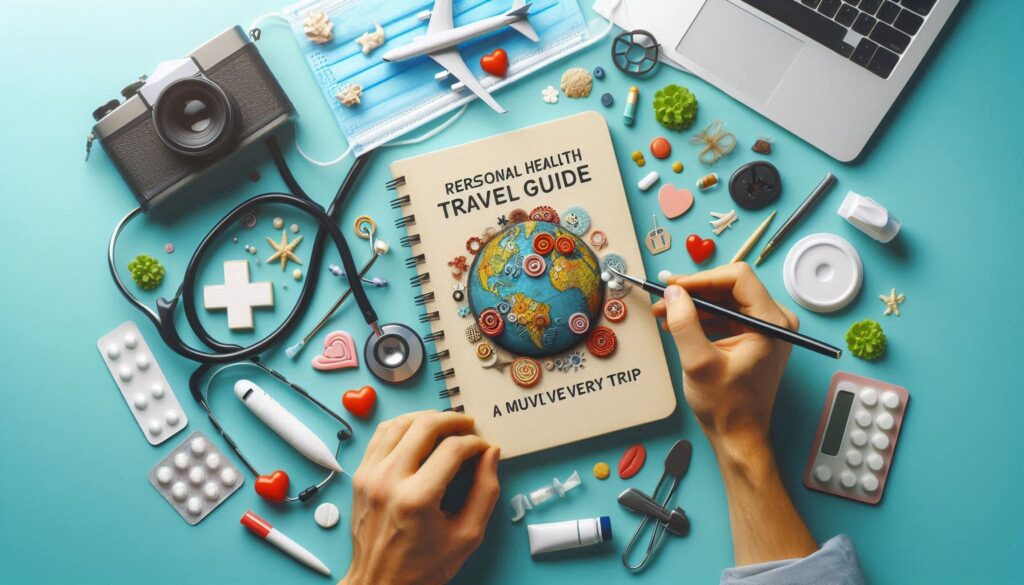
Travel often disrupts the body’s natural rhythm. Changes in climate, activity levels, sleep patterns, and food choices can quietly affect how the body feels and functions. One of the most immediate areas impacted is hydration. Even mild dehydration can contribute to fatigue, dryness, headaches, sluggishness, and reduced mental clarity.
Because of this, hydration becomes more than a basic need during travel—it becomes a steady form of support that helps the body stay balanced, comfortable, and resilient throughout the journey.
This is a practice that honors the body’s innate need for balance and nourishment.
The Essence of Hydration for Travelers
Water is not only essential for survival—it is foundational for how the body maintains energy, clarity, and internal regulation. Every system in the body depends on proper hydration, from digestion and circulation to temperature balance and cognitive function.
When traveling, the body often uses more fluid than expected due to movement, stress, climate shifts, and changes in routine. This makes consistent hydration especially important.
Beyond plain water, there are gentle ways to support hydration that also provide additional nourishment. Herbal infusions, coconut water, and lightly flavored waters with ingredients like citrus or mint can help make hydration more enjoyable and supportive.
These options not only replenish fluids but can also add small moments of calm and grounding throughout the day.
Hydration works best when approached intentionally, rather than as a reaction to thirst alone. By the time thirst is noticeable, the body may already be slightly depleted.
Why Hydration Matters More During Travel
When the body is in transit, it experiences subtle stress even during enjoyable journeys. Air travel, long rides, changes in temperature, and irregular eating patterns can all influence hydration levels.
Supporting Energy and Focus
Proper hydration plays a direct role in maintaining steady energy and mental clarity. When fluid levels drop, the body may feel more tired, and concentration can become more difficult.
Consistent hydration helps support alertness without relying on stimulants.
Supporting Physical Comfort

Dry environments such as airplanes, air-conditioned transport, or warm climates can increase fluid loss. This may affect skin, digestion, and overall physical comfort.
Staying hydrated helps the body adapt more smoothly to these conditions.
Supporting Emotional Balance
Even mild dehydration can influence mood and stress levels. When the body feels supported and balanced, it is often easier to remain calm and grounded during travel transitions.
Hydration, in this sense, becomes part of emotional regulation as well as physical care.
Time-Honoured Wisdom Around Hydration
Across many traditional wellness systems, hydration has long been recognized as essential for maintaining vitality and balance. Travelers, herbalists, and healers often emphasized steady fluid intake as a foundation for wellbeing.
Rather than relying on occasional large amounts of water, traditional approaches focused on consistent, mindful hydration throughout the day.
Herbal and Natural Beverages as Support
Herbs and natural drinks have historically been used to support hydration in a more nourishing way than plain water alone. Ingredients like mint, chamomile, ginger, and rooibos were often used in teas and infusions to encourage comfort and balance.
These beverages were seen not only as hydration sources but also as supportive rituals that helped maintain energy without overstimulation.
Avoiding Excess Stimulants
Traditional wisdom also emphasized balance—encouraging moderation with caffeine and sugary drinks, which can sometimes contribute to dehydration or energy imbalances when consumed in excess.
Instead, the focus remained on gentle, steady nourishment.
Practical Tips for Hydration on the Go
Maintaining hydration during travel does not need to be complicated. Simple, consistent habits can make a meaningful difference in how the body feels.
Carry a Refillable Bottle
Having water easily accessible encourages regular sipping throughout the day. Small, frequent intake is often more effective than large, infrequent amounts.
Sip Consistently, Not Occasionally
Rather than waiting until thirst appears, try to take small sips regularly. This helps maintain a more stable hydration level and supports overall comfort.
Include Herbal Teas and Light Infusions
Herbal teas such as peppermint or rooibos can offer gentle hydration along with soothing and refreshing qualities. They can be enjoyed warm or cooled depending on preference and environment.
Pair Hydration with Nourishing Snacks

Foods such as fruits, nuts, and seeds can complement hydration by providing minerals and nutrients that support overall balance.
Be Mindful in Dry or High-Activity Environments
Extra attention may be needed during flights, long journeys, or warm climates where fluid loss is higher. Adjusting intake based on environment helps maintain steady balance.
Attentive care for hydration ensures both comfort and resilience during travel.
The Emotional Side of Hydration
Hydration is often overlooked as a form of self-care, yet it has a quiet influence on how grounded and present we feel. When the body is well-hydrated, it is easier to move through travel with patience, clarity, and ease.
Simple acts like sipping water slowly or preparing an herbal infusion can become grounding rituals that bring moments of pause into a busy journey.
These small practices help reconnect attention back to the body, even in unfamiliar environments.
Creating a Rhythm of Care While Traveling
Wellness on the road is often built through small, repeated actions rather than large efforts. Hydration is one of the simplest yet most impactful ways to support the body during change.
By making it a steady habit rather than an afterthought, travelers can maintain more consistent energy and comfort throughout their journey.
Over time, these small acts of care help create a sense of stability, even when surroundings are constantly shifting.
Closing Reflection
Hydration reminds us that wellness on the road begins with simple, consistent acts. Gentle attention to fluid intake nourishes the body, supports energy, and maintains balance even amid travel’s unpredictability.
In its simplicity, hydration becomes a quiet form of support—helping the body stay steady, clear, and resilient as it moves through new places and experiences.