
Modern life often keeps the nervous system in a near-constant state of engagement. Notifications, responsibilities, emotional demands, and sensory overload can quietly accumulate, leaving the body feeling alert even when rest is needed. Over time, this can affect sleep quality, emotional balance, and even physical comfort.
In traditional herbal practices, chamomile has long been valued as a gentle yet steady support for restoring calm. It is not an herb of force or intensity, but of soft invitation—encouraging the body and mind to ease back into balance.
Its influence is subtle, working not by force, but by invitation.
The Essence of Chamomile

Chamomile (Matricaria chamomilla or Chamaemelum nobile) is widely recognized for its calming and restorative qualities. Traditionally used in herbal teas and infusions, it is associated with relaxation, digestive ease, and emotional steadiness.
One of chamomile’s most valued characteristics is its abiity to support both physical and mental relaxation at the same time. Tension held in the body often mirrors tension in the mind, and chamomile gently works across both levels.
It is commonly used during periods of stress, overstimulation, or emotional sensitivity, when the body benefits from a soft return to equilibrium.
This herb reminds the body how to soften without becoming weak.
Why the Body Needs Gentle Regulation
The nervous system is designed to shift between activation and rest. However, modern routines can sometimes keep it in a prolonged state of alertness, making it harder to naturally wind down.
Chamomile supports the transition back toward rest in a gradual and comforting way.
Supporting Nervous System Calm
Chamomile is traditionally used to encourage relaxation in the nervous system. It helps signal to the body that it is safe to slow down, easing internal tension without overwhelming sedation.
This creates space for a more natural return to calm.
Supporting Digestive Ease

Emotional and physical stress often affect digestion. Chamomile has long been used to support digestive comfort, especially when tension or unease is present.
A relaxed digestive system often contributes to overall bodily ease.
Encouraging Emotional Softening
Chamomile is often associated with emotional gentleness. It can support the easing of irritability, restlessness, or mental fatigue, helping create a more balanced internal state.
This makes it especially useful during emotionally demanding periods.
Time-Honoured Wisdom Around Chamomile
Chamomile has been used across cultures for centuries, including in European, Middle Eastern, and traditional folk medicine systems. It has long been regarded as a universal calming herb, suitable for both children and adults.
A Symbol of Peace and Restoration
In many traditions, chamomile is associated with peace, rest, and renewal. Its use as an evening tea reflects its role in helping the body transition from activity to rest.
It was often seen as a daily ritual herb, supporting consistency in calm.
Gentle Support Across All Seasons of Life
Traditional herbalists valued chamomile for its versatility and gentleness. It was considered appropriate for a wide range of needs, particularly when the body required soothing rather than stimulation.
This reflects its role as a foundational herb in many wellness practices.
Integrating Chamomile into Daily Rituals
Chamomile is most effective when incorporated into simple, consistent routines that support relaxation and balance.
Enjoy as an Evening Infusion
One of the most traditional uses of chamomile is as a warm evening tea. Sipping it slowly can help signal the body that it is time to unwind and prepare for rest.
This can become a calming transition into nighttime recovery.
Pair with Mindful Breathing
Combining chamomile with slow, intentional breathing can deepen its calming effects. This pairing supports both the nervous system and mental clarity.
It encourages a gentle shift from activity to stillness.
Use During Sensitive Periods
Chamomile is often used during times of emotional or digestive sensitivity. Its gentle nature makes it suitable for ongoing, supportive use rather than intense intervention.
Consistency helps its effects build gradually over time.
Create Simple, Repeated Rituals
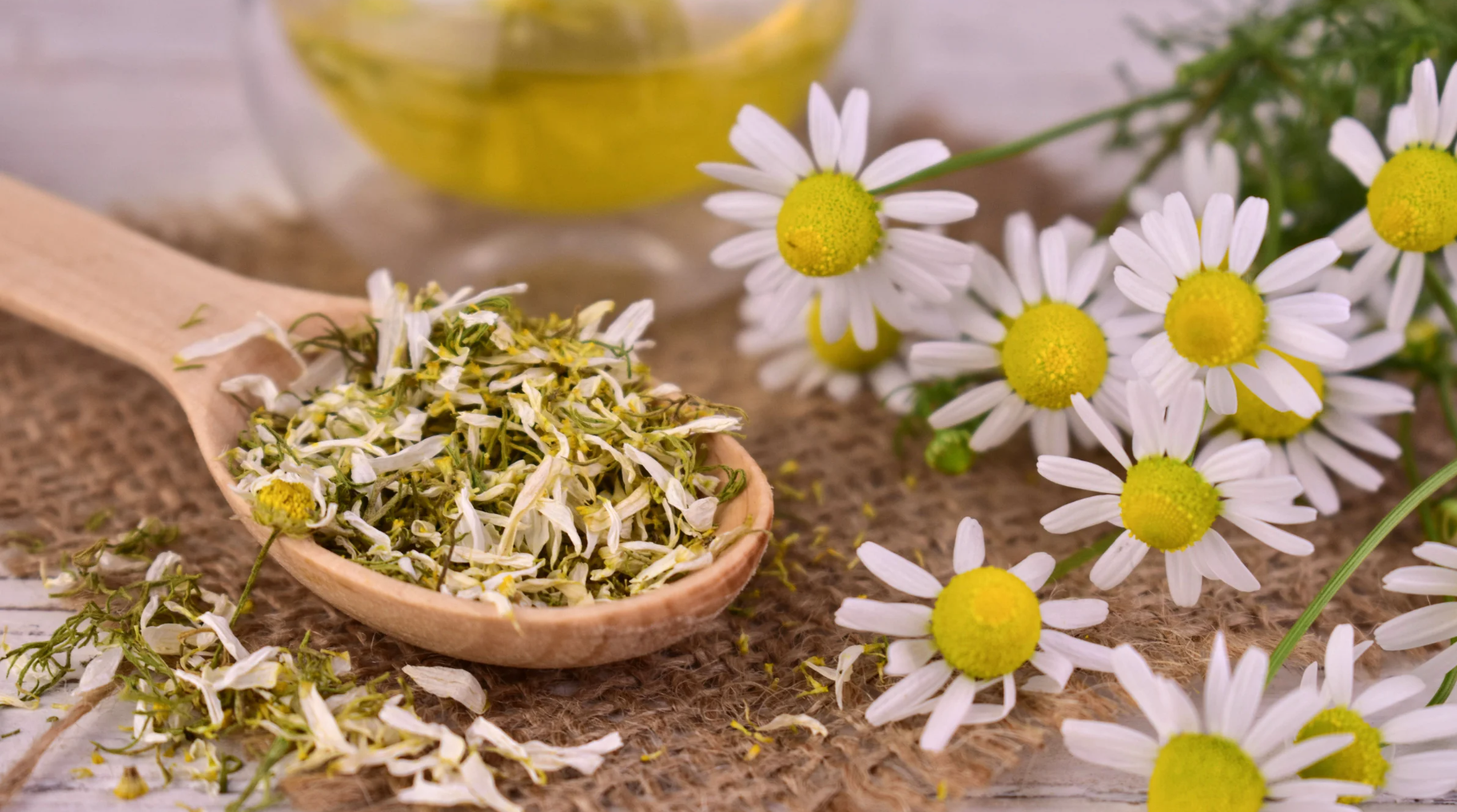
The benefits of chamomile are enhanced through repetition. Simple daily rituals, such as a quiet cup of tea before rest, help reinforce calm as part of the body’s rhythm.
Small practices often create the most lasting effects.
The Emotional Side of Softness
Chamomile’s influence extends beyond physical relaxation. It encourages a softening of internal tension, allowing emotions to settle more naturally.
This does not suppress feelings but creates space for them to be processed gently.
Over time, this can support a more balanced and resilient emotional state.
Creating Space for Restorative Calm
Rest is not simply the absence of activity—it is an active process of recovery and integration. Chamomile supports this process by helping the body transition into a state where restoration can occur more easily.
In this state, both mind and body can reset.
This quiet recalibration is essential for long-term wellbeing.
Closing Reflection
Chamomile teaches the power of gentleness. In slowing down, the body finds its rhythm again. Through this quiet herb, we are reminded that restoration does not require intensity—only presence, consistency, and care.
In that softness, strength is quietly restored from within.

