
The mind can quietly accumulate thoughts, worries, unfinished tasks, and emotional loops throughout the day. Over time, this internal buildup can create a subtle sense of heaviness—like carrying too many open tabs at once. Even when nothing is visibly wrong, the mind may feel crowded, restless, or slightly overwhelmed.
Releasing mental clutter offers a gentle pathway back to clarity, emotional ease, and inner lightness.
This is a practice of soft letting go.
The Essence of Mental Decluttering

Mental clutter is not always obvious or loud. It often appears in subtle ways—difficulty focusing, repeated overthinking, mental fatigue, or a feeling of being “full” without knowing exactly why.
Unlike physical clutter, it cannot always be seen, but it is often felt.
Mental decluttering is the process of creating internal space so thoughts can settle naturally instead of continuously circulating. It is less about forcing control over the mind, and more about allowing release and spaciousness to return.
When the mind is given room to breathe, clarity often begins to emerge on its own.
Why Mental Clutter Builds Up
Modern life constantly pulls attention in multiple directions. Information, responsibilities, notifications, conversations, and emotional demands all compete for mental space throughout the day.
Over time, this can lead to cognitive and emotional overload.
Continuous Input and Overstimulation
The mind is not designed to process endless streams of input without pause. When stimulation becomes constant, it may become harder to fully process thoughts and emotions, leading to mental residue that accumulates over time.
Unprocessed Thoughts and Emotions
Mental clutter often comes from thoughts that are never fully acknowledged or completed. Worries that remain unresolved, decisions that are postponed, or emotions that are not fully expressed can quietly linger in the background.
These incomplete loops contribute to a sense of mental heaviness.
The Need for Pause and Integration
Without moments of stillness, the mind does not always have space to organize itself. Pauses are essential for integration—allowing thoughts to settle, prioritize, and release naturally.
Clarity often arises not from thinking more, but from thinking less and allowing space.
Time-Honoured Wisdom Around Mental Clarity

Across many traditions, mental clearing practices have long been seen as essential for emotional balance and inner peace.
From meditation and breath awareness to journaling, prayer, and silent reflection, cultures around the world have recognized the importance of releasing mental noise.
These practices reflect a shared understanding: clarity is not something to create, but something to uncover.
The Role of Stillness
Stillness has often been used as a tool for mental restoration. In quiet moments, the mind begins to naturally slow down and reorganize itself.
Rather than forcing silence, stillness allows mental activity to soften gradually.
This creates space for insight, calm awareness, and emotional grounding to arise.
Working with Mental Decluttering Practices
Mental clarity can be supported through simple, consistent practices that help release internal buildup.
Write Down Lingering Thoughts
One of the most effective ways to clear mental clutter is to externalize it. Writing down thoughts, worries, or reminders helps move them out of the mind and onto paper, where they feel more manageable.
This process can create immediate mental relief and clarity.
Create Small Pauses Throughout the Day
Short moments of pause—between tasks, conversations, or activities—can help reset the mind. Even a few seconds of conscious breathing or stillness can interrupt mental overload and restore balance.
These pauses act as gentle resets for awareness.
Reduce Constant Overstimulation
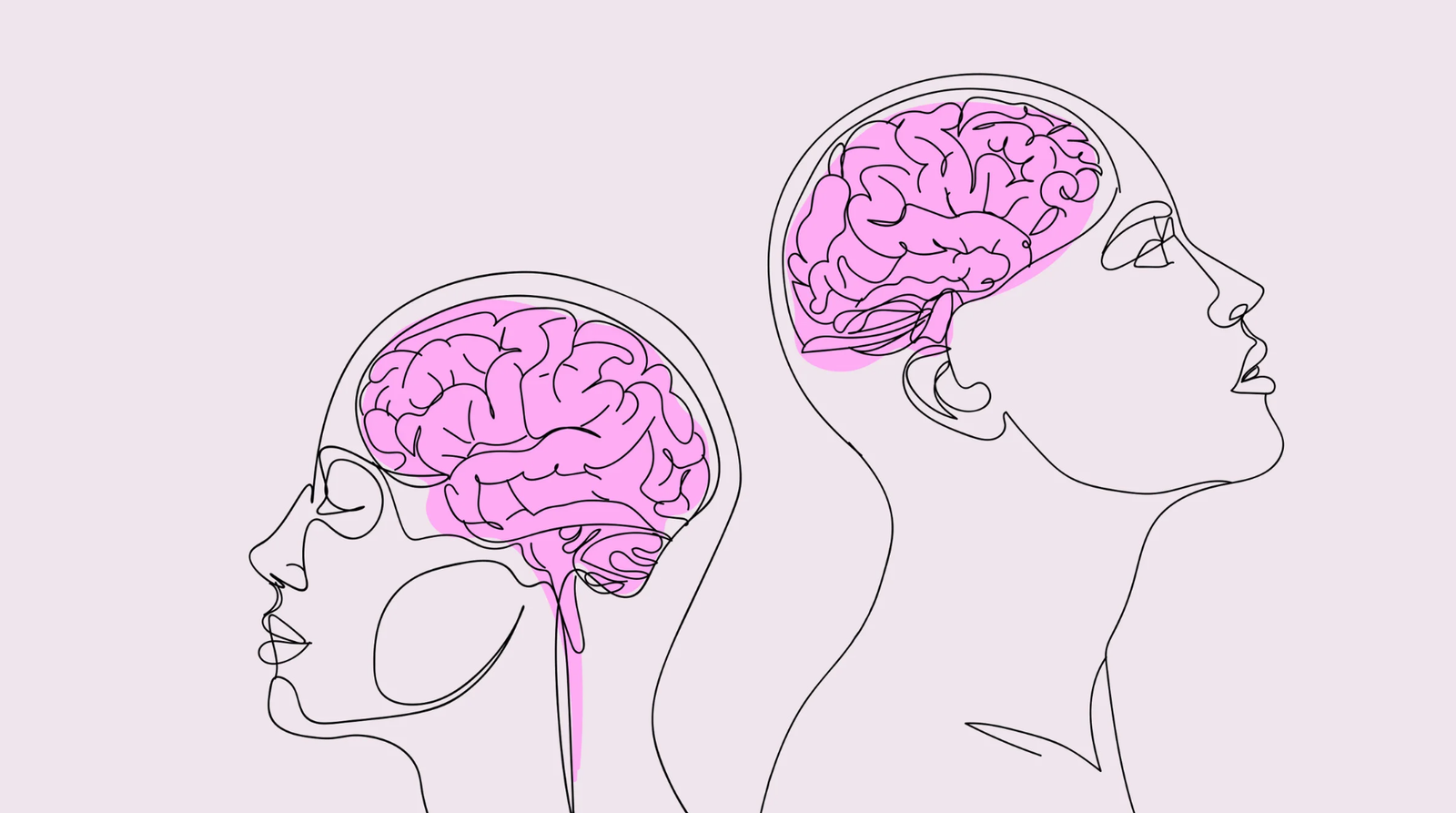
Limiting unnecessary input can significantly reduce mental clutter. This might include reducing screen time, stepping away from constant notifications, or choosing periods of quiet throughout the day.
Less input often leads to more clarity.
Pair with Calming Rituals
Mental decluttering becomes more effective when combined with grounding rituals such as:
Drinking herbal tea slowly
Practicing deep breathing
Spending time in nature
Engaging in gentle movement
Sitting in quiet reflection
These practices help the nervous system settle, making it easier for the mind to release tension.
Clarity grows in spaces we intentionally create.
The Emotional Side of Letting Go
Releasing mental clutter is not only a cognitive process—it is also emotional. Many thoughts we hold onto are connected to concerns, expectations, or emotional weight.
Letting go can sometimes feel unfamiliar at first.
However, over time, releasing unnecessary mental holding creates more emotional spaciousness and resilience. It becomes easier to respond to life with steadiness rather than overwhelm.
There is a quiet relief in realizing that not every thought needs to be carried.
Creating Inner Space in Daily Life
Mental clarity does not require large changes. Often, it is built through small, consistent habits that gently clear space throughout the day.
Over time, these practices can help reduce internal noise and create a more grounded sense of presence.
Inner lightness is not the absence of thought—it is the ability to let thoughts pass without becoming overwhelmed by them.
Closing Reflection
Mental decluttering reminds us that not every thought needs to be held or carried forward. When we soften our grip on internal noise, the mind naturally begins to feel lighter, clearer, and more at ease.
In that space of release, a quiet sense of balance returns—not forced, but revealed.
Sometimes clarity is not something we create. It is something we uncover when we allow the mind to rest.