
Mental wellness involves learning how to care for your mind during both calm and challenging periods.
That can include sleep, movement, social connection, healthy boundaries, enjoyable activities, and knowing when to ask for professional support.
One botanical that has received considerable attention in recent years is ashwagandha.
Also known as Withania somnifera, ashwagandha has a long history in Ayurvedic traditions and is commonly described as an adaptogenic herb.
What Is an Adaptogen?
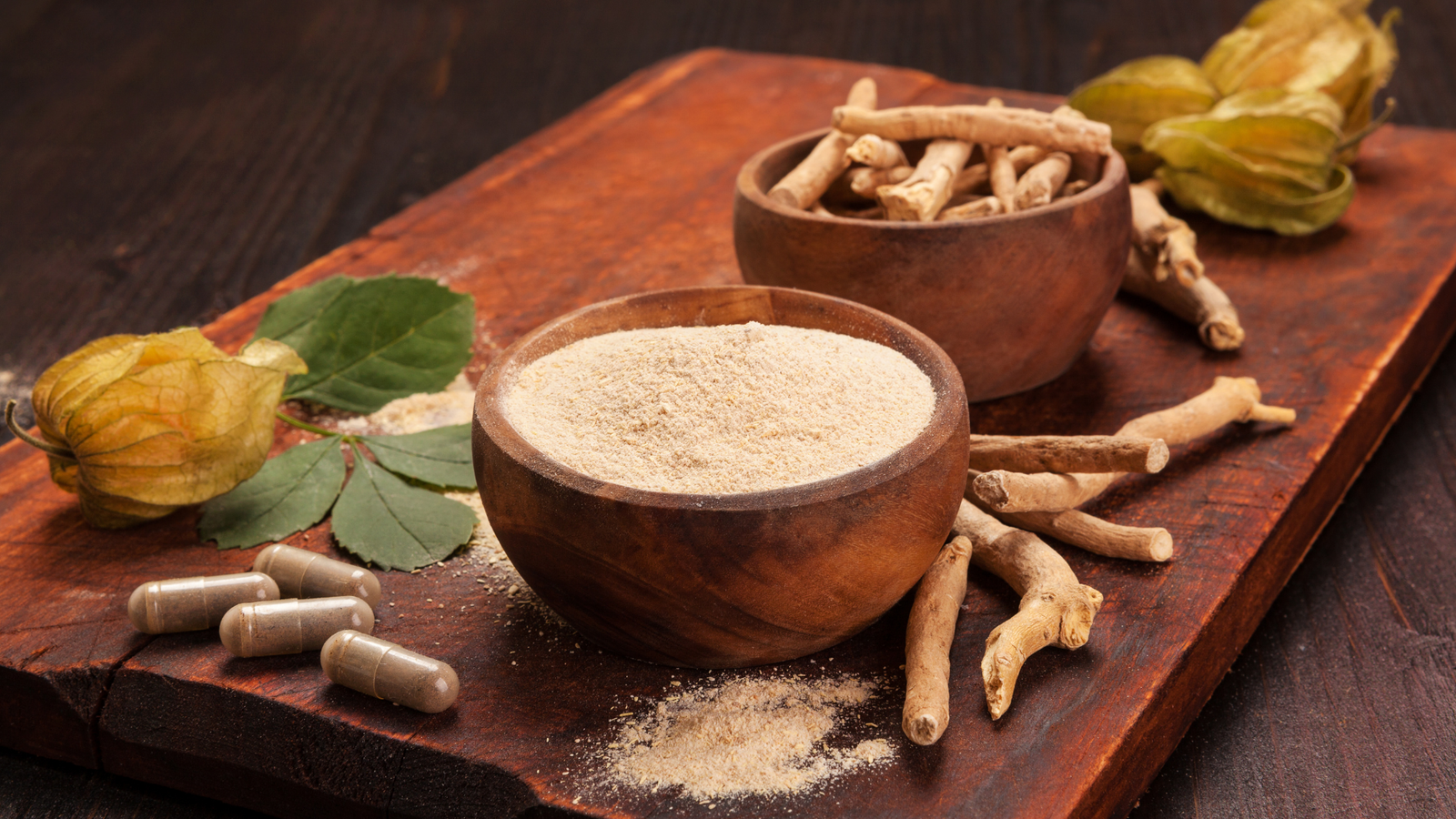
The term “adaptogen” is commonly used in herbal wellness to describe plants traditionally believed to help the body respond to stress.
Modern research has investigated ashwagandha for stress, sleep, anxiety-related symptoms, and other areas of wellbeing.
Some studies have reported potential benefits, but research is still developing, and supplements can vary considerably in strength and quality.
Creating a Stress-Supportive Lifestyle

Even if you choose to explore an herb such as ashwagandha, it shouldn’t be the centre of your entire mental wellness routine.
Start with the fundamentals.
Try establishing a consistent sleep schedule. Take movement breaks during long workdays. Spend time outdoors. Create boundaries around work. Limit unnecessary notifications. Stay connected with supportive people.
These habits may sound simple, but consistency can make them powerful.
Be Careful With Supplements

Ashwagandha isn’t appropriate for everyone.
It can interact with certain medications and may not be suitable for people with particular health conditions. Supplements may also vary in concentration and quality.
If you are pregnant or breastfeeding, take prescription medication, or have an existing medical condition, speak with a healthcare professional before using ashwagandha.
Mental Wellness Is Personal
There is no single routine that works for everyone.
One person may benefit from meditation, another from exercise, another from creative activities, and someone else may need professional counselling or medical care.
Herbal products can be one area to learn about, but they should never replace appropriate mental health support.
Your mind deserves patience, rest, and care—not pressure to be perfectly calm all the time.