
The body has a quiet way of communicating when something is out of balance. It may show signs such as internal dryness, mild irritation, digestive discomfort, or general fatigue. These signals are often subtle, but they reflect a deeper need for restoration rather than forceful correction.
In traditional herbal systems, licorice root has long been valued as a gentle, harmonising herb that supports the body’s return to balance. Known for its naturally sweet taste and soothing properties, it is often used to soften internal tension and encourage a sense of comfort from within.
Its action is both calming and restorative.
The Essence of Licorice Root

Licorice root (Glycyrrhiza glabra) is widely recognized in herbal traditions for its ability to support multiple systems in the body, particularly the digestive and respiratory pathways. When prepared as an infusion, it offers a naturally sweet and grounding experience that is both comforting and supportive.
One of its most valued qualities is its harmonising nature. Rather than acting on a single system in isolation, licorice root is often used to help bring different aspects of the body into better alignment. It is traditionally seen as a herb that supports cohesion and balance.
In herbal preparations, it is frequently used to soften intensity in blends, making other herbs feel more balanced and easier on the system.
This herb is known for bringing disparate systems back into harmony.
Why the Body Responds to Gentle Restoration
True restoration rarely comes from intensity. The body often responds more effectively to gentle, consistent support that works with its natural rhythms rather than against them.
Licorice root reflects this principle in several ways.
Soothing Internal Irritation
Licorice root has long been used to support comfort in the digestive and respiratory systems. Its soothing properties help ease sensations of irritation and dryness, allowing the body to feel more settled.
This creates a foundation of internal ease.
Supporting Moisture Balance
Dryness within the body can contribute to discomfort and imbalance. Licorice root is traditionally associated with supporting moisture retention and internal hydration, helping tissues feel more nourished and supported.
This contributes to a sense of softness and ease.
Encouraging Overall Vitality
Beyond its soothing qualities, licorice root is also valued for its gentle support of overall energy and resilience. It is often used in traditional systems to help maintain strength during periods of fatigue or stress.
This makes it both restorative and supportive over time.
Time-Honoured Wisdom Around Licorice Root
Licorice root has been used for thousands of years in systems such as Traditional Chinese Medicine, Ayurveda, and European herbalism. Across these traditions, it is consistently regarded as a harmonising and unifying herb.
A Harmoniser in Herbal Formulas
One of licorice root’s most distinctive traditional roles is its use as a balancing ingredient in herbal blends. It is often added in small amounts to soften stronger herbs and enhance overall synergy.
This reflects its role as a stabiliser within herbal systems.
The Meaning of Sweetness in Healing
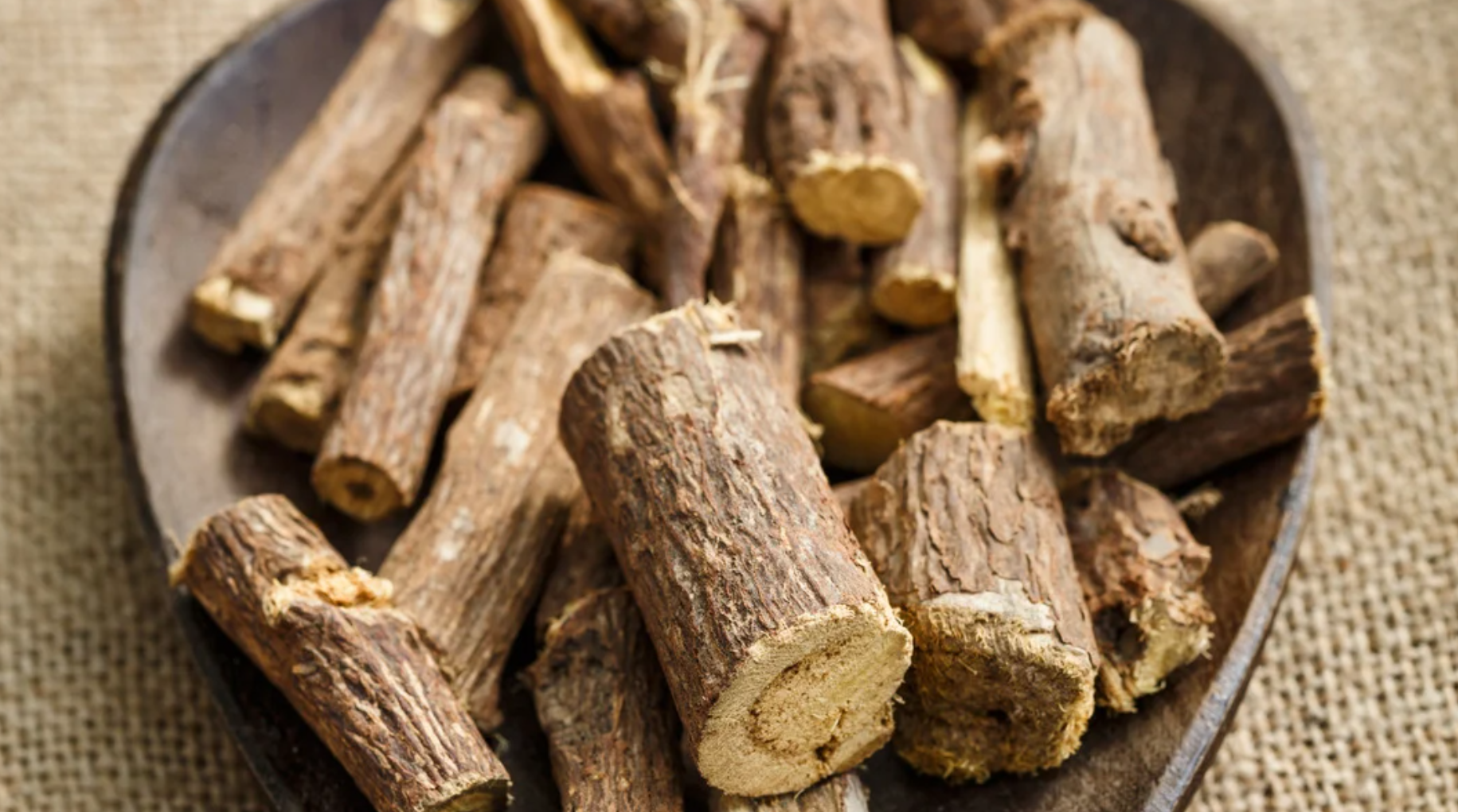
In many traditions, the natural sweetness of licorice root is seen as symbolic as well as functional. Sweetness is associated with nourishment, comfort, and restoration.
It represents the idea that healing can be gentle rather than severe.
Working with Licorice Root Infusions
Licorice root can be incorporated into herbal wellness routines in simple and mindful ways.
Prepare as a Mild Herbal Infusion
Licorice root is often prepared as a gentle infusion. Allowing it to steep slowly helps release its natural sweetness and soothing qualities.
The experience is best enjoyed calmly and intentionally.
Sip Slowly for Digestive Comfort
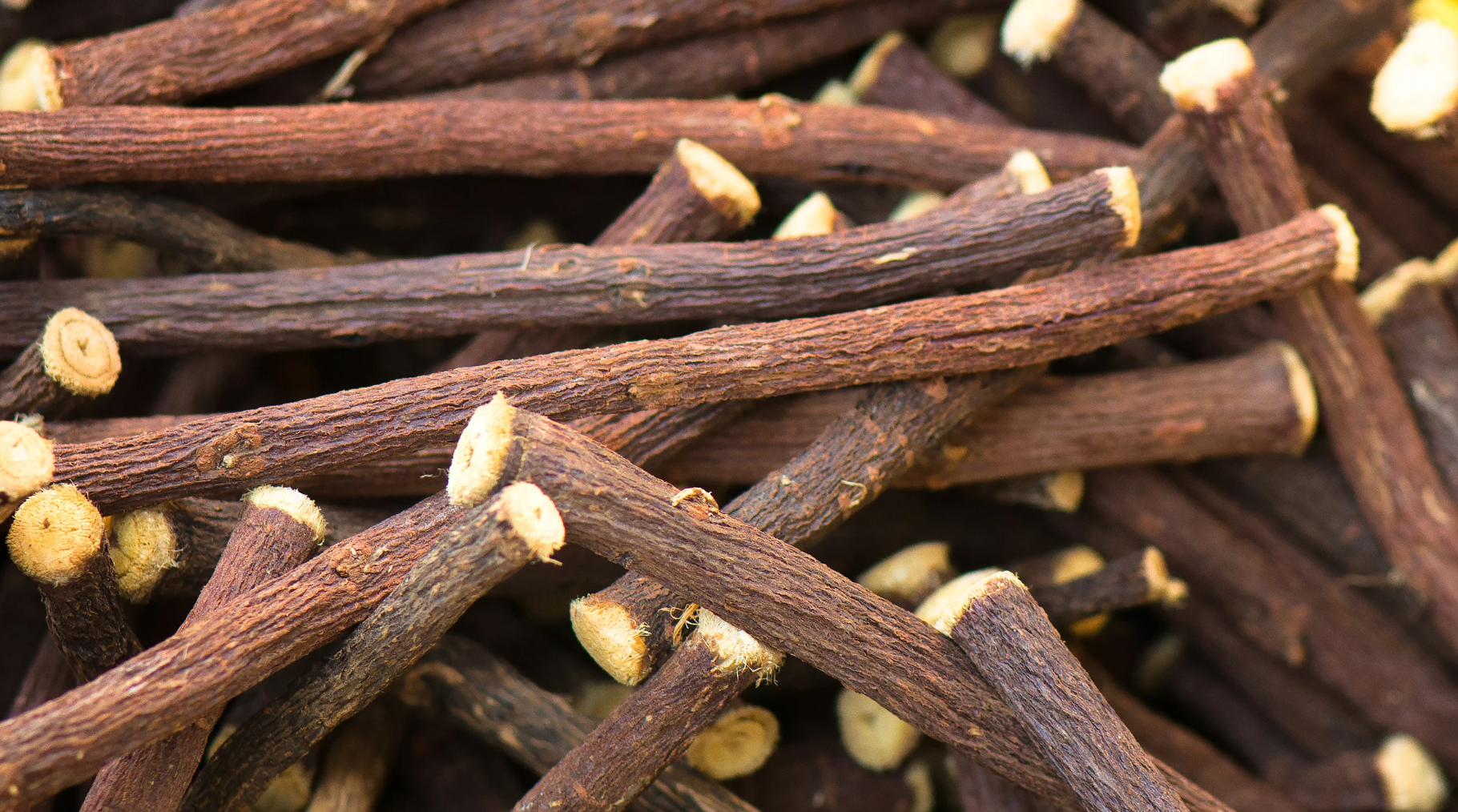
Taking time to sip licorice root tea slowly can help support digestive ease and internal relaxation. The act of drinking becomes part of the soothing process itself.
This encourages a more mindful relationship with the body.
Use in Moderation
Due to its potency and natural sweetness, licorice root is traditionally used in moderation. It is often combined with other herbs as part of a balanced formulation rather than taken in excess.
Respecting this balance is part of its traditional use.
The Emotional Dimension of Sweetness
Sweetness in herbal traditions is not only physical—it is also emotional. Licorice root’s naturally comforting quality can create a sense of emotional ease, helping the body feel supported during periods of stress or imbalance.
This sense of comfort can be grounding, especially when the system feels overwhelmed or depleted.
Over time, this gentle support encourages a return to steadiness.
Creating Harmony Through Gentle Alignment
Licorice root is best understood as a herb that restores alignment rather than forcing change. It works by softening internal tension and supporting systems to function more smoothly together.
This gradual process reflects a deeper principle of herbal care: balance is not imposed, but encouraged.
The body responds when it feels safe, supported, and nourished.
Closing Reflection
Licorice root reminds us that healing does not need to be harsh. Through sweetness, patience, and balance, the body is gently guided back into alignment.
In this state of harmony, comfort returns, tension softens, and a quiet sense of restoration begins to unfold naturally from within.